November 18, 2026
The importance of heating, ventilation, and air conditioning (HVAC) systems go beyond comfort; they play a crucial role in determining your electric bill. This article explores how proper HVAC maintenance and usage can result in significant energy savings and a reduced environmental footprint.
Understanding the nuances of how HVAC systems operate and impact energy consumption is vital. A well-maintained HVAC system can dramatically lower energy enhance home comfort. On the contrary, neglecting these systems can lead to increased costs and a less pleasant living environment.
Understanding the Role of HVAC Systems
Heating: The Impact of Efficiency on Energy Use
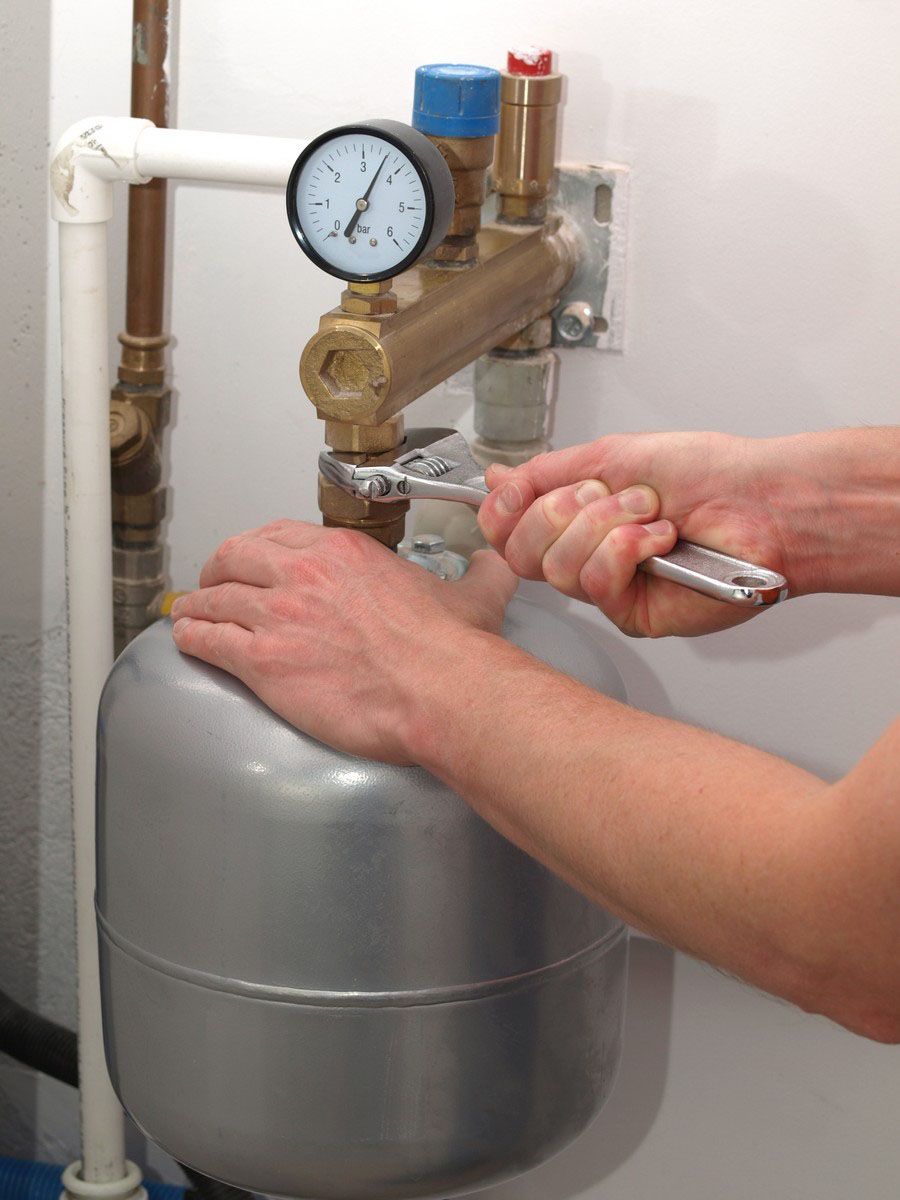
The heating component of an HVAC system is designed to keep indoor environments warm during cold months. A highly efficient heating system can operate on less energy, thereby reducing utility bills. Modern heating systems include features such as variable speed fans and more efficient combustion processes. Upgrading old systems can result in substantial savings, often paying for themselves over time through reduced energy costs. Ensuring your heating system is properly maintained is crucial for maintaining efficiency year-round.
Inefficient heating systems not only increase energy consumption but also impact the comfort level within the home. Drafts and uneven heating are common complaints resulting from poorly maintained systems. Addressing these issues often requires professional HVAC intervention. Regular inspections and maintenance ensure heating systems run optimally. This proactive approach helps to avoid unexpected breakdowns that can result in significant repair costs and further energy inefficiency.
Improving heating efficiency is not just about comfort and cost savings; it also contributes positively to environmental efforts. Efficient systems consume less energy, meaning less fuel is burned, and fewer greenhouse gases are emitted. By lowering your heating energy consumption, you're also reducing your home's carbon footprint. Efficient heating aligns with broader ecological concerns, promoting sustainability. The investment in efficient heating systems illustrates a commitment to both economic savings and environmental stewardship.
Cooling: Optimal Performance to Lower Costs
Cooling systems, vital during warmer months, are significant energy consumers.
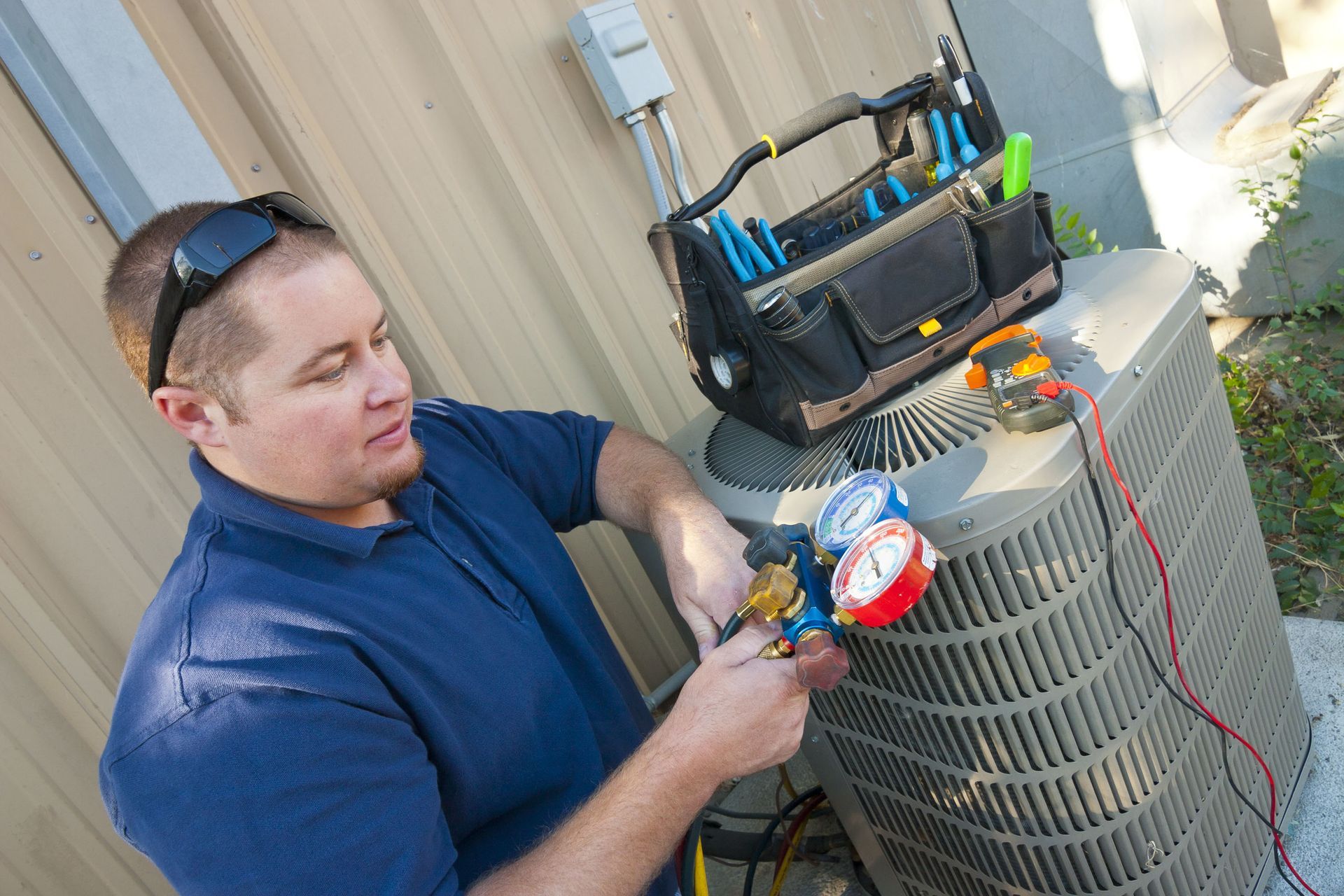
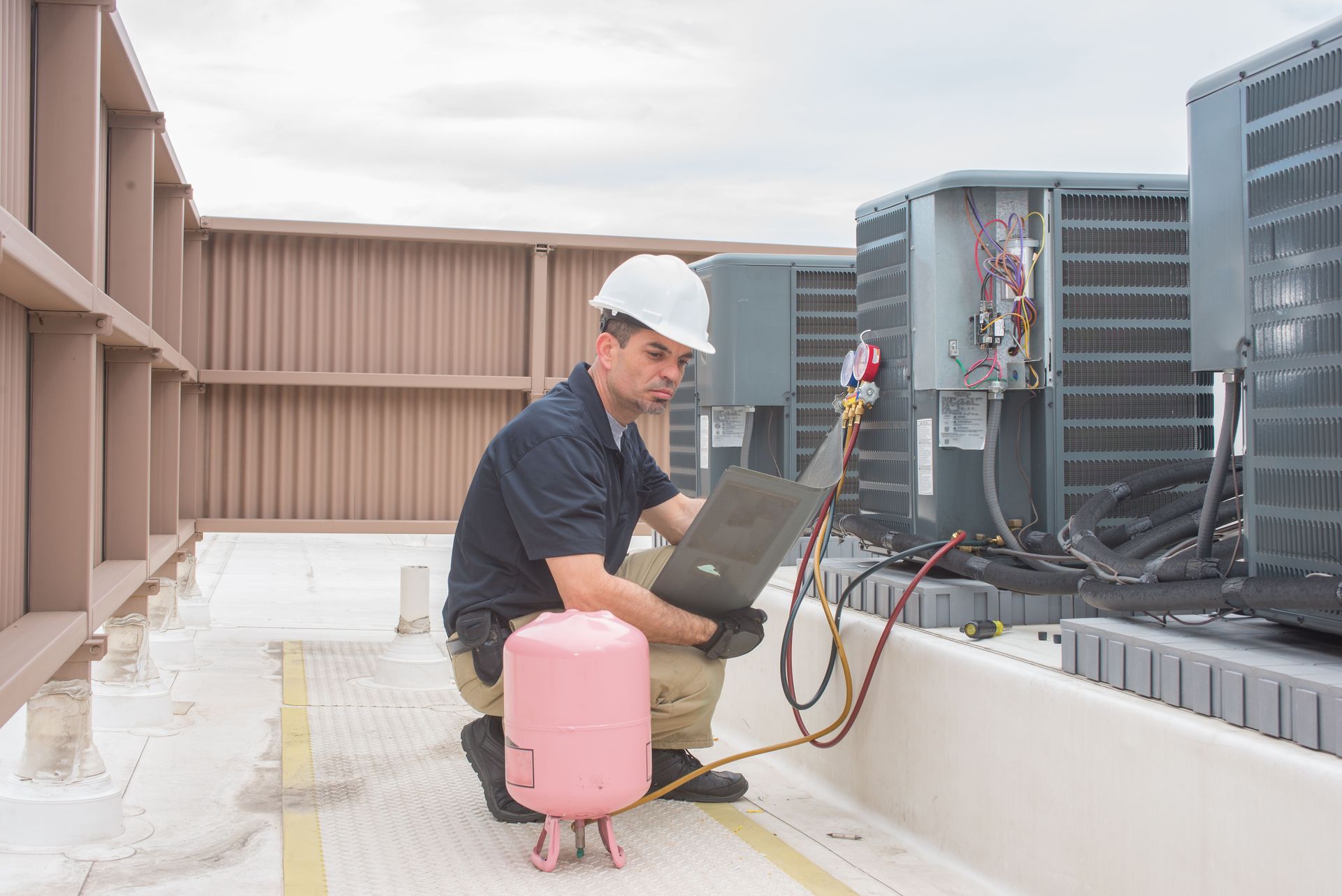
According to the Department of Energy, domestic cooling systems are responsible for approximately 12% of the electrical power consumed by American households. Maintaining these systems is essential for keeping energy consumption in check. Regular cleaning and servicing of air conditioning units help maintain their efficiency, leading to potential increases in performance and decreases in energy bills. Investing in newer, more energy-efficient models can result in reduced energy use and greater operational reliability.
Inadequate cooling efficiency can greatly increase operational costs and discomfort levels. Dirty air filters and clogged vents can force the system to work harder, increasing energy usage. Additionally, the lack of maintenance can lead to system breakdowns requiring costly repairs. By addressing these issues through routine maintenance, you can extend the life of your cooling equipment.
Proper care ensures that the system operates smoothly and efficiently when needed most.
An efficient cooling system does more than just lower energy consumption and costs; it also enhances indoor air quality. An optimally functioning AC unit ensures better circulation and filtering of air, vital for health during high pollen seasons. Additionally, by maintaining consistent humidity levels, these systems prevent the growth of mold and mildew. Improving air quality can have profound effects on the wellbeing of those within the home. Efficient cooling harmonizes with a quality living environment, combining energy savings with health benefits.
Ventilation: Maintaining Air Quality and Energy Savings
The role of ventilation in HVAC systems is critical for maintaining air quality.
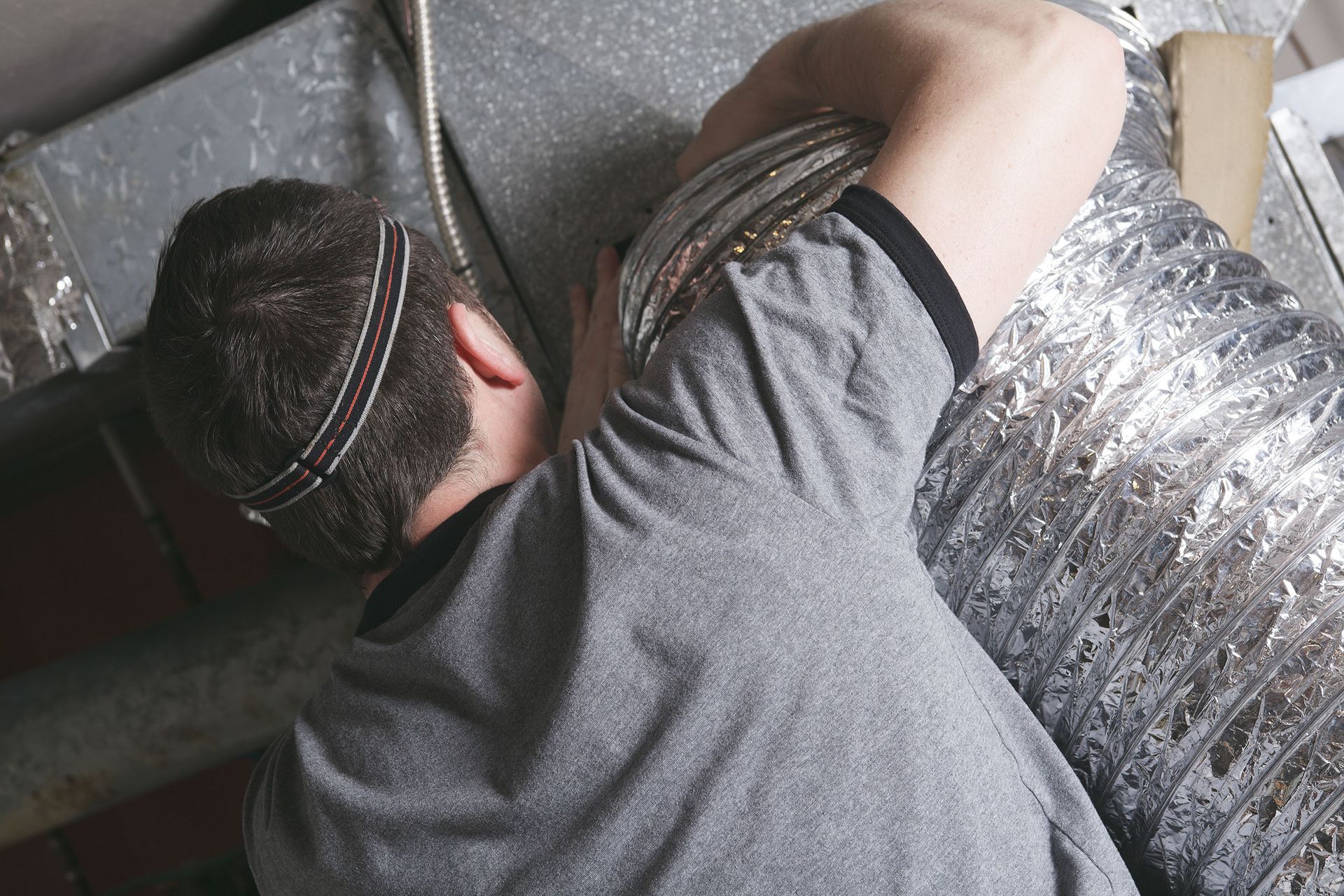
Proper ventilation helps in controlling temperature, humidity, and pollutant levels indoors. Efficient ventilation systems reduce the need for additional heating and cooling, thereby saving energy. Investing in mechanical ventilation systems, such as energy recovery ventilators, enhances efficiency by recovering energy from exhaust air. These systems help ensure that fresh air is circulated without significant energy loss.
Without adequate ventilation, indoor air can become stale and polluted with harmful contaminants. An absence of fresh air circulation can exacerbate health issues such as allergies and respiratory problems. Properly maintained ventilation systems contribute significantly to indoor air quality improvement.
Regular checks ensure that vents and filters are clean and unobstructed. A well-ventilated home is healthier and more comfortable, supporting the functionality and efficiency of HVAC systems.
Effective ventilation not only improves air quality but also contributes to long-term energy savings. By ensuring air is properly exchanged, HVAC systems can operate without excess strain. This reduces wear and tear, extending system life and decreasing maintenance costs. Additionally, efficient ventilation systems support temperature regulation, minimizing heating and cooling demands. Ventilation is thus an integral component of an energy-efficient home environment, promoting health and savings together.
Thermostats: Programmable Solutions for Energy Efficiency
Thermostats play a crucial role in the energy efficiency of HVAC systems. Modern programmable thermostats allow for precise control over temperature settings throughout the day. By adjusting temperatures based on occupancy and time of day, significant energy savings can be realized. The Department of Energy suggests that homeowners can save up to 10% a year on heating and cooling by simply turning the thermostat back 7°-10°F for 8 hours a day from its normal setting. Such devices can easily integrate with smart home systems, enhancing overall energy management.
Programmable thermostats also contribute to greater comfort, as they can be customized to individual preferences. Users can set different temperatures for various times of the day, ensuring comfort when home and savings when away.
Some advanced models even learn from usage habits and adjust settings automatically for optimal efficiency. Their integration with smartphones and voice-activated devices adds a layer of convenience and control. Investing in a programmable thermostat is a simple yet effective step toward enhanced HVAC efficiency.
Moreover, programmable thermostats support sustainable energy usage by preventing unnecessary consumption. By optimizing the performance of the HVAC system, they reduce greenhouse gas emissions and contribute to environmental preservation. As technology advances, the accessibility and affordability of these devices increase, making them a practical choice for many households. The savings on energy, combined with environmental benefits, make programmable thermostats a wise investment for the forward-thinking consumer.
Insulation: Partnering with HVAC for Better Results
Insulation is a critical component of the overall efficiency strategy for HVAC systems. Proper insulation minimizes heat loss during winter and keeps heat out during summer. By maintaining consistent indoor temperatures, it reduces the load on HVAC systems, allowing them to operate efficiently. Homes with adequate insulation experience fewer fluctuations in temperature, leading to increased comfort and reduced energy costs. Investing in quality insulation materials can, thus, provide long-term savings on energy bills.
Insulation defects, such as gaps or thin materials, can significantly hamper HVAC performance. These issues force systems to work harder to maintain the desired temperature, leading to increased energy usage and costs. Regular inspection and upgrading of insulation materials help prevent these problems. Partnering with HVAC maintenance ensures that insulation is optimized to support system efficiency. Together, they provide a comprehensive approach to indoor comfort and energy savings.
Recognizing the importance of insulation in conjunction with HVAC systems can drive better energy management practices. Insulation serves as the first line of defense against outdoor temperatures, making it indispensable for energy conservation. The combination of high-efficiency HVAC systems and robust insulation creates a harmonious balance that benefits both the pocket and the planet. As energy costs rise and environmental concerns grow, integrating these solutions becomes increasingly crucial. Insulation and HVAC systems, efficiently working together, embody the ideal of sustainable living. Be sure to reach out to Carter Comfort Systems today to learn more about our professional HVAC services!