November 17, 2026
Preparing your home for winter requires a dependable heating system that runs smoothly every day. As cold weather arrives, your furnace works tirelessly to keep every room warm and safe. Taking care of maintenance before the first freeze prevents unexpected breakdowns when temperatures drop. According to Industry Research, about 65% of HVAC systems require repair or servicing at least once per year. Scheduling checkups early keeps your family comfortable and saves money.
A neglected heating unit forces internal parts to work harder, raising monthly bills. Routine inspections catch minor wear before it turns into severe mechanical failure. Seasonal tune-ups improve air quality and protect vital components from burnout. Planning your seasonal HVAC repairs early protects your budget and prevents winter emergencies. Addressing these key updates keeps your household warm all winter.
1. Replacing Clogged Air Filters
Clean air filters allow warm air to circulate freely through your living spaces. When a filter fills with pet hair and dust, airflow slows down. This restriction forces the blower fan to work overtime, causing internal parts to overheat. Putting in a clean filter every month maintains strong airflow and stops indoor pollutants. Fresh filters protect your family from allergies while cutting energy expenses.
Filters come in several styles, from basic fiberglass mesh to pleated designs. Checking your filter every four weeks ensures dust does not choke furnace components. Catching airflow problems early reduces the need for emergency HVAC repairs later in the season. If you notice gray dirt, switch it out immediately with a fresh replacement. Monthly filter care protects your heating setup all season.
2. Calibrating Faulty Thermostats
Your thermostat acts as the brain of your heating system, telling the furnace when to run. When a thermostat loses calibration, it misreads temperatures and cycles erratically. This constant cycling leaves rooms chilly while running up unnecessary fuel and electricity costs. Checking calibration before winter guarantees target warmth without wasting energy. Accurate temperature controls keep your furnace running smoothly.
Dust buildup inside the casing, loose wiring, or outdated sensors cause false readings. Cleaning internal connections and replacing backup batteries solves these minor communication glitches. Investing in professional HVAC repairs ensures your thermostat communicates accurately with your heating unit. Programmable thermostats allow you to lower heat automatically while sleeping, saving money. Accurate temperature readings keep your system reliable.
3. Sealing Leaky Ductwork
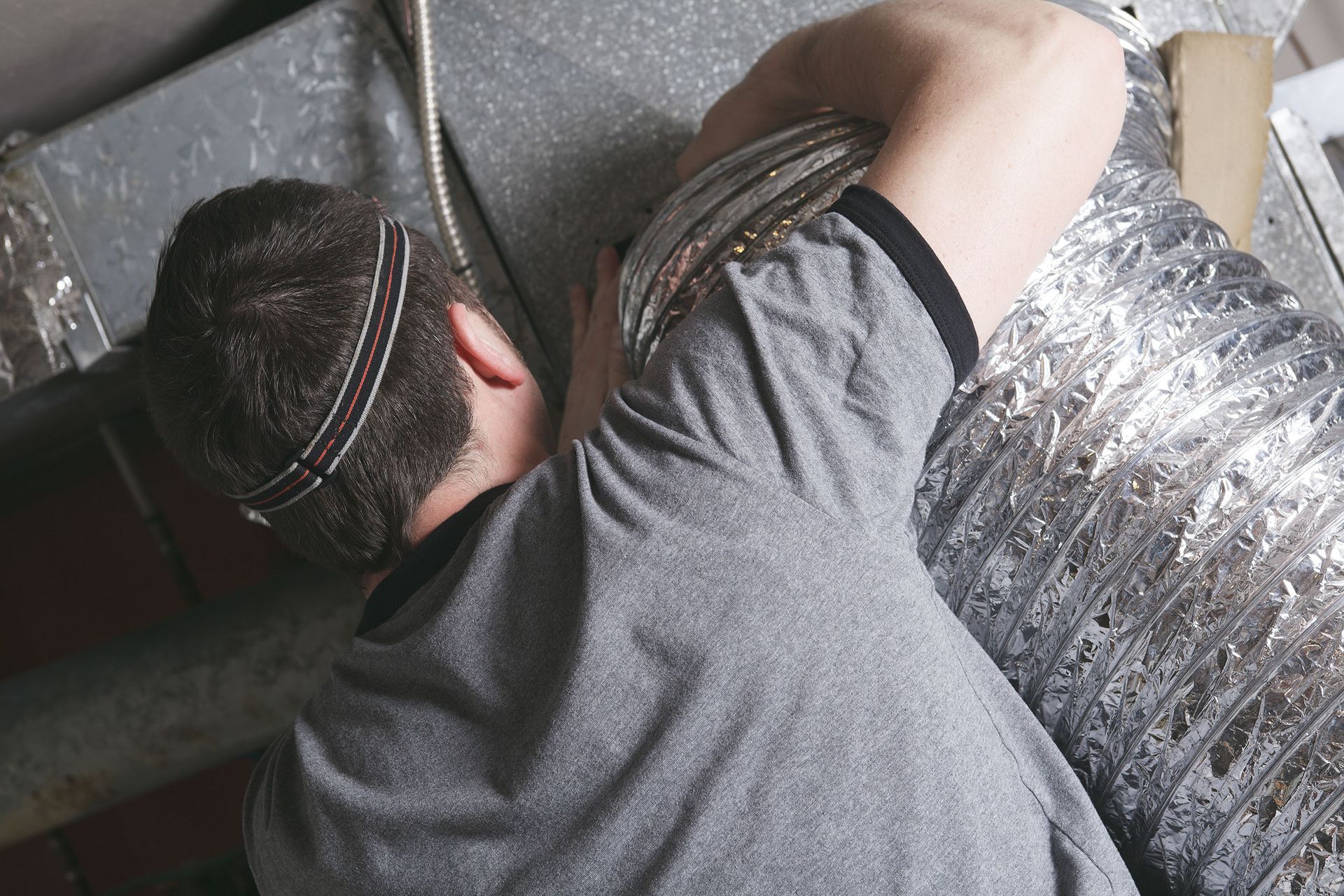
Ductwork acts as the highway distributing heated air from the furnace to every room. Over time, metal joints loosen, and flexible tubes tear, letting warm air escape into unheated spaces. These hidden openings pull dusty attic air directly into your home supply vents. Repairing leaky duct seams keeps the warm air you pay for inside living areas. Sealing gaps prevents heat from vanishing into cold walls.
Technicians use specialized tape and mastic paste to seal leaking duct connections permanently. Removing dust buildup allows warm air to flow freely without straining the blower fan. Sealing air leaks is one of the most cost-effective HVAC repairs you can complete before winter arrives. Balanced airflow stops cold spots and reduces winter fuel consumption. Sealed air passages provide consistent warmth in every room.
4. Servicing Worn Blower Motors
The blower motor powers the fan wheel that pushes heated air through your home. Because this motor runs constantly in cold weather, bearings dry out and blades gather dust. A struggling motor often produces squealing noises, rattles loudly, or smells like burning wire. Scheduling proactive HVAC repairs allows a technician to lubricate bearings, tighten belts, and clean fan blades thoroughly. Prompt servicing keeps air moving smoothly.
Ignoring an overworked motor can cause electrical coils to short out, shutting heat down. Regular servicing ensures electrical connections stay tight and moving parts remain friction-free. Technicians test running voltage and clear grime so the motor operates at peak efficiency. Restoring this essential part guarantees consistent airflow and prevents sudden heating failures. Servicing the blower motor keeps your home warm.
5. Inspecting Cracked Heat Exchangers
The heat exchanger is a sealed chamber transferring heat from combustion flames to indoor air. Because metal expands and contracts during heating cycles, old exchangers develop hairline cracks. A damaged heat exchanger can allow toxic carbon monoxide gas to mix into breathing air. Having a technician inspect this chamber with specialized cameras before winter is a vital safety requirement. Annual safety checks protect your family from invisible hazards.
Signs of a failing heat exchanger include flickering yellow flames, strange odors, and soot buildup. Skilled technicians inspect metal walls for rust, corrosion, and cracks before lighting the system for winter. If a crack appears, replacing the broken component immediately protects your household from carbon monoxide poisoning. Regular inspections safeguard your family while keeping heating equipment running smoothly. Taking this step provides complete peace of mind.
6. Cleaning Dirty Burner Assemblies
Furnace burners must burn fuel cleanly and evenly to produce reliable warmth throughout cold months. Over summer, dust, rust flakes, and spider webs settle inside narrow gas ports. Dirty burners produce uneven flames that fail to heat efficiently, wasting fuel every hour the furnace runs. Scheduling routine HVAC repairs before freezing weather ensures that burner tubes are clear and burning with a steady blue flame. Clean burners deliver reliable warmth.
A qualified technician removes the burner assembly to scrub away carbon deposits and check gas pressure. Clean burners ignite smoothly without delayed pops or loud banging sounds during startup. Complete combustion lowers monthly heating bills and keeps soot from coating sensitive interior components. Clean ignition parts also extend the service life of your heating equipment. Spotless burners guarantee dependable heat whenever needed.
7. Testing Safety Limit Switches
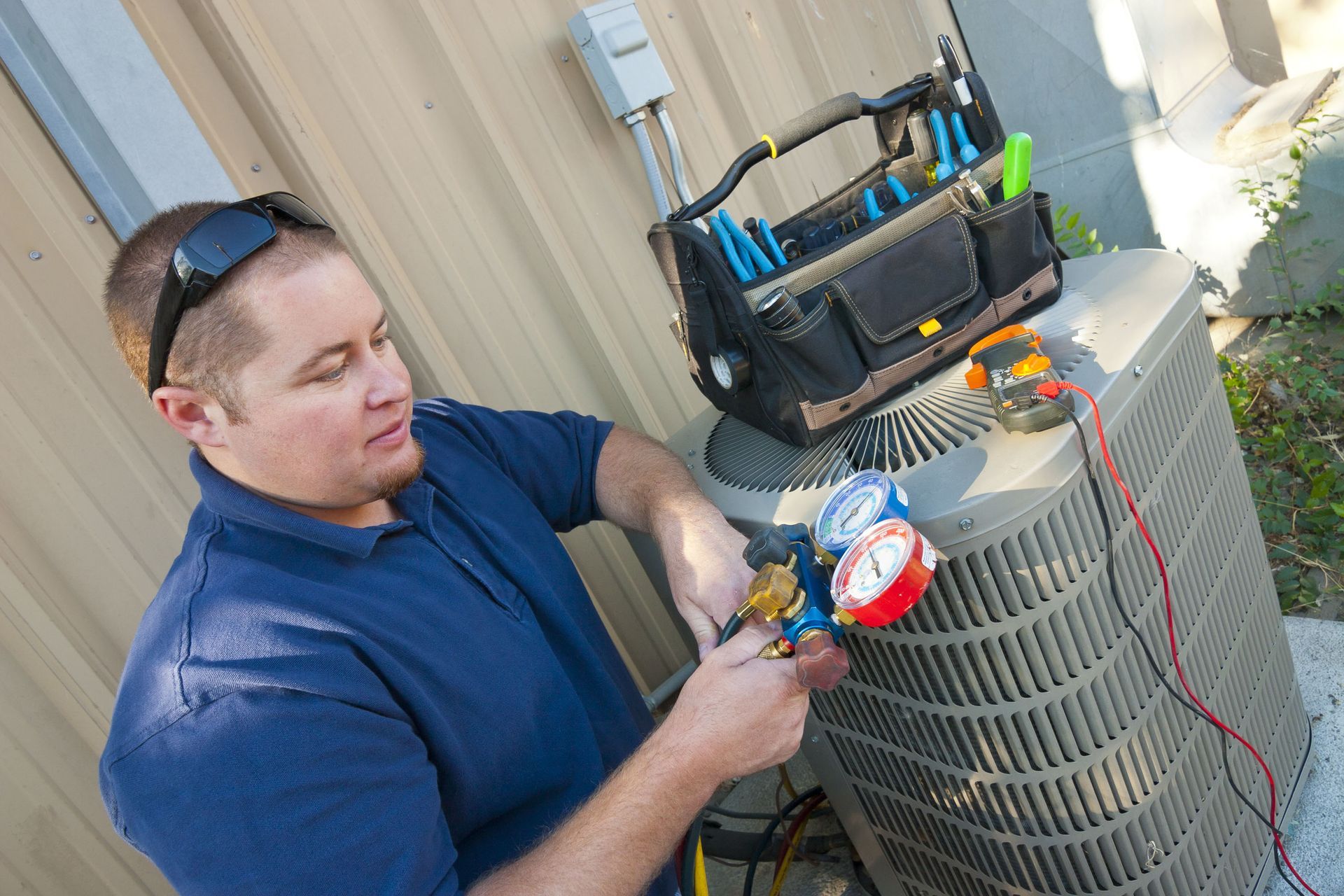
Modern heating equipment relies on automatic safety switches to protect your home from overheating and electrical hazards. The high limit switch monitors internal temperatures, turning off the gas valve if heat rises too high. Flame sensors verify that gas ignites properly, immediately closing supply lines if burners fail to light. Testing safety controls ensures your furnace responds correctly if mechanical problems arise. Routine switch testing protects your equipment.
A malfunctioning sensor can cause the furnace to shut off after only running briefly, leaving your home cold. Corrosion, loose wires, and soot coating prevent these sensitive switches from operating accurately. Technicians clean sensor probes with emery cloth, check electrical continuity, and replace weak switches before winter begins. Ensuring safety shutoffs function properly keeps your equipment running smoothly. Routine safety testing protects your family from winter heating emergencies.
Taking care of heating maintenance before winter arrives protects your household from sudden breakdowns and high bills. Changing dirty filters, calibrating thermostats, and sealing ducts keep warm air flowing evenly into rooms. Professional tune-ups keep your blower motor running smoothly, clean fuel burners, and ensure heat exchangers remain safe. Proactive care shields equipment from premature wear, ensuring your home stays cozy through cold weather. Consistent maintenance delivers dependable comfort all winter.
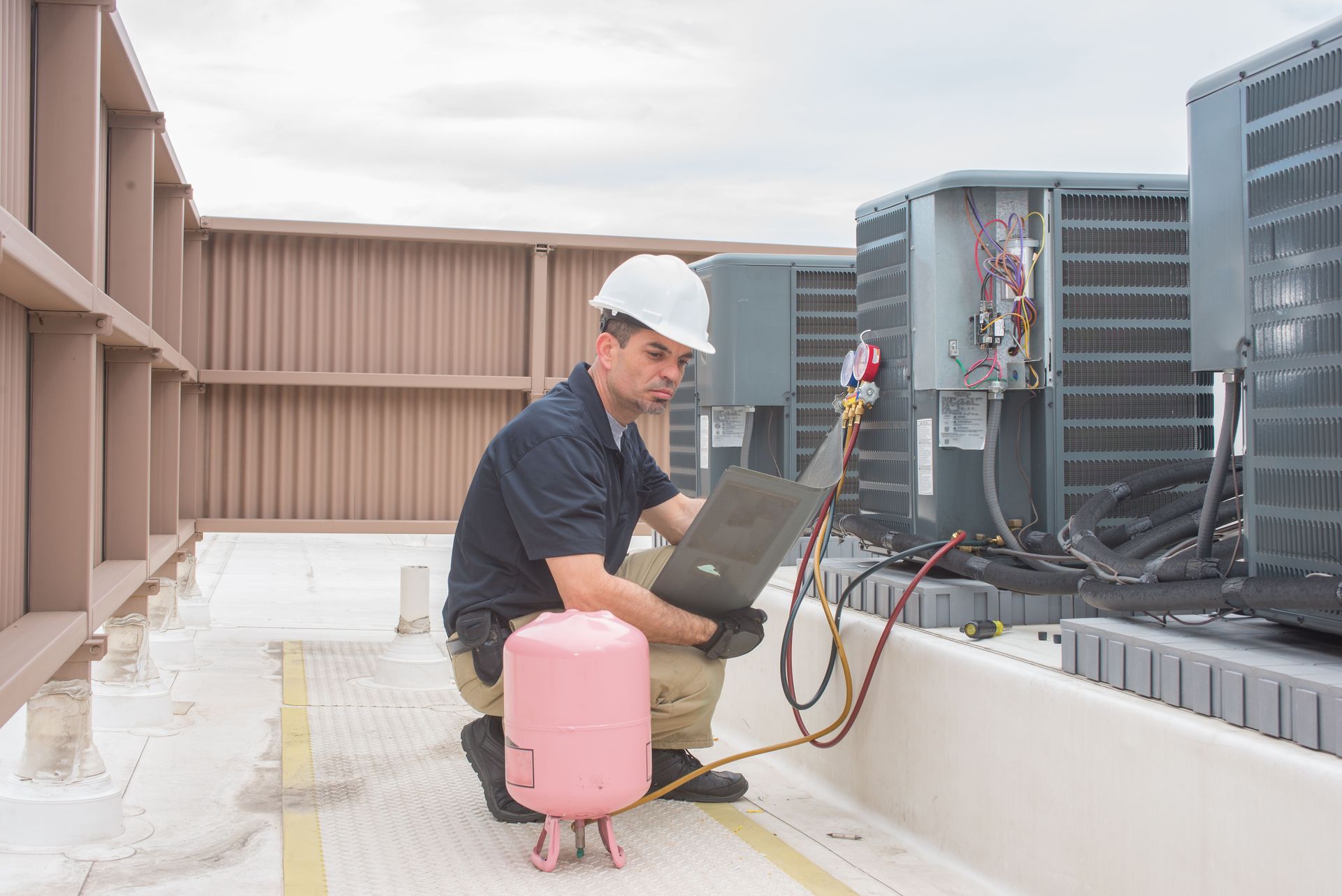
When you notice strange noises, weak airflow, or uneven heating, reaching out to certified professionals guarantees safety. Experienced technicians have the diagnostic tools and replacement parts required to handle complex heating issues before winter sets in. If your heating system needs a seasonal tune-up, safety inspection, or dependable HVAC repairs, contact Carter Comfort Systems to keep your home secure. Taking action today protects your home through every winter storm.