October 19, 2026
Commercial buildings require robust climate control systems to maintain comfortable environments for occupants. When these complex systems fail, facility managers face immense challenges, from disrupted business operations to severe financial burdens. Unplanned breakdowns demand costly attention, forcing organizations to allocate critical resources toward sudden HVAC repairs instead of planned facility improvements. Maintaining ideal temperatures across expansive commercial spaces depends on the uninterrupted performance of heating and cooling units.
A reactive approach to climate control maintenance leads to frequent equipment degradation. Ignoring minor mechanical irregularities allows small malfunctions to escalate into severe system failures. Recognizing the most frequent issues helps property owners implement effective prevention strategies. Prioritizing routine care extends equipment lifespans and avoids the disastrous consequences of sudden operational halts. Implementing preventive measures preserves energy efficiency over the lifespan of the machinery.
1. Addressing Refrigerant Leaks Through Proactive Maintenance
Refrigerant serves as the vital lifeblood of commercial cooling systems, absorbing heat and moving it outdoors. When copper lines develop cracks, the chemical escapes into the atmosphere, compromising system efficiency. Low refrigerant levels force compressors to work harder, causing increased wear on internal components. Buildings with depleted cooling units struggle to achieve desired temperatures, resulting in persistent discomfort for occupants.
Pinhole leaks develop due to constant vibration and normal mechanical wear over extended periods of operation. Acid buildup within the lines also contributes to the deterioration of metal components. Facility managers dealing with these complications face HVAC repairs. Left unresolved, continuous leaking destroys the compressor, necessitating a complete system replacement. This cascading effect highlights the importance of early detection and intervention.
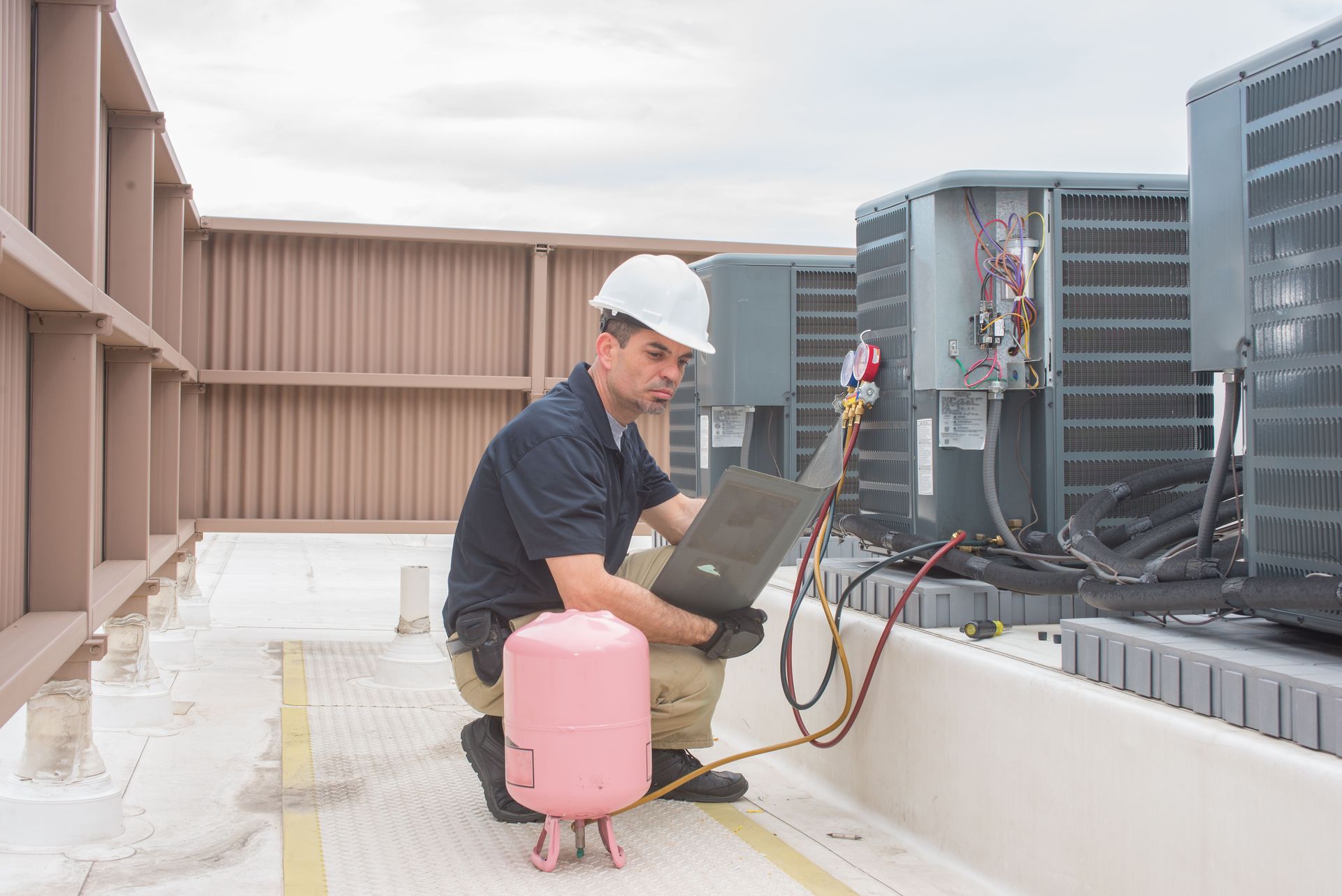
Preventing fluid loss requires technicians to perform comprehensive pressure checks during routine evaluations. Technicians utilize specialized detection equipment to identify microscopic vulnerabilities before major ruptures occur. Tightening loose fittings and inspecting line integrity remains a fundamental aspect of preventive care. Organizations benefit from scheduling these thorough evaluations before peak summer heat strains the equipment.
According to SkillCat, commercial HVAC equipment has a maintenance schedule of every three to six months, while residential systems should be maintained yearly. Adhering to this commercial timeframe allows professionals to catch vibration-induced wear early. Consistent monitoring ensures refrigerant levels remain optimal, reducing the risk of catastrophic system failures. Facility managers secure long-term operational stability.
2. Managing Electrical Failures With Consistent Inspections
Commercial climate control systems rely on complex networks of wires, contactors, and capacitors to function. Continuous operation generates significant heat and vibration, which loosen electrical connections over time. Worn contactors fail to transmit power, leaving vital components dormant despite receiving signals from the control center. Blown fuses and tripped breakers serve as primary indicators of underlying electrical stress within the machinery.
Electrical complications present severe risks beyond mere temperature inconsistencies. Frayed wires create fire hazards that threaten entire commercial properties and their occupants. Sudden power surges damage sensitive printed circuit boards, rendering the entire network inoperable. Addressing these sudden electrical faults accounts for a significant portion of emergency HVAC repairs in commercial environments today.
Dust and debris accumulation within electrical panels accelerates component degradation. Dirt acts as an insulator, trapping heat and causing switches to fail. Pests infiltrate system cabinets, chewing through protective wire casings and creating dangerous short circuits. Keeping electrical compartments clean, sealed, and free of intruders prevents external elements from compromising the power supply. Routine cabinet cleaning preserves electrical integrity.
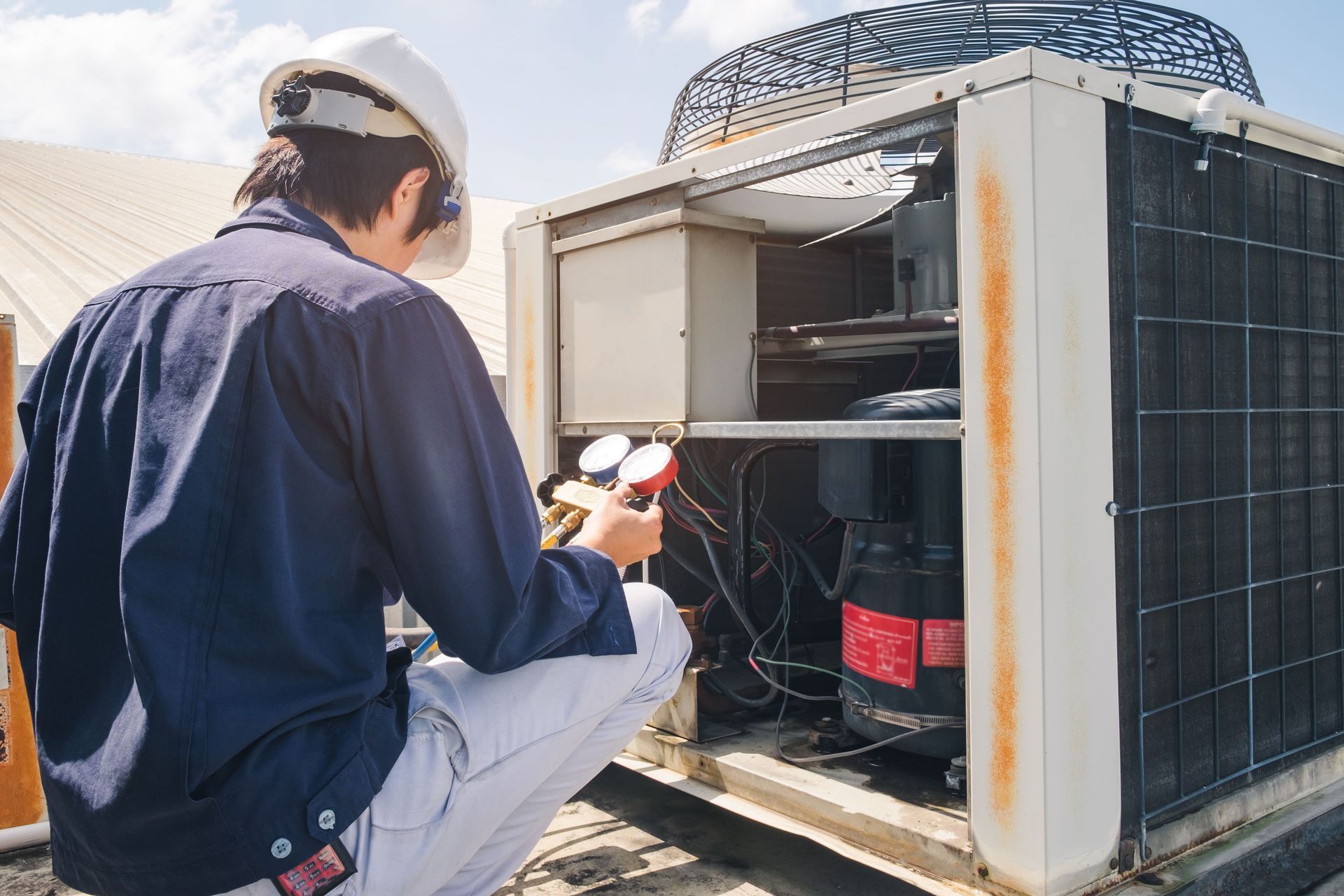
Prevention centers on rigorous visual inspections and voltage testing by qualified personnel. Technicians measure current draw to identify struggling components before they fail. Replacing pitted contactors and bulging capacitors averts extensive damage to expensive fan motors. Regular electrical assessments keep the energy flowing safely to all system parts, guaranteeing uninterrupted climate control across the property.
3. Mitigating Airflow Restrictions Through Filter Replacement
Optimal air circulation dictates the success or failure of commercial climate control systems. Dirty air filters represent the most prevalent cause of airflow restrictions in large buildings. As filters trap dust, pollen, and pollutants, the mesh becomes impenetrable, choking the system. Blower motors strain against the resistance, consuming excess electricity while delivering poor space conditioning.
Restricted airflow initiates a chain reaction of mechanical complications throughout the equipment. Evaporator coils freeze into solid blocks of ice when warm air fails to pass over them. Ice accumulation stops the cooling process, leading to water damage when the block melts. Dealing with frozen coils ranks among the most tedious HVAC repairs property managers encounter during peak seasons.
Beyond frozen coils, poor circulation causes furnaces to overheat during winter months. Heat exchangers subjected to extreme temperatures crack, creating severe carbon monoxide hazards. Compromised heat exchangers demand immediate replacement to ensure building safety. A cracked heat exchanger condemns the entire heating unit, requiring massive capital expenditure. Safeguarding this vital component requires clean airflow. Building operators must prioritize this simple maintenance task to avoid devastating structural and mechanical failures.
Avoiding these scenarios requires strict adherence to filter replacement schedules. High-traffic commercial spaces generate massive amounts of airborne debris, demanding frequent filter changes. Implementing automated reminders helps maintenance staff replace media before restriction occurs. Upgrading to high-capacity pleated filters catches smaller particulates without straining the blower motor. Clean filters protect the mechanical components while ensuring pristine indoor air quality.
4. Preventing Thermostat Malfunctions by System Monitoring
Thermostats function as the brains of commercial temperature regulation networks. These sensors monitor indoor conditions and command the heavy machinery to engage or disengage. When sensors lose calibration, the system receives inaccurate data regarding building temperatures. Misguided machinery operates in chaotic patterns, running continuously or failing to activate when needed. A malfunctioning sensor forces the machinery into creating miserable conditions.
Outdated control units create massive energy waste across commercial properties. Ghost readings cause heating and cooling systems to battle each other, devastating energy budgets. Wiring issues between the sensor and the main rooftop unit disrupt communication, leaving zones without climate control. Modern smart systems mitigate some risks but introduce software glitches that require specialized attention to maintain efficiency.
Diagnosing communication errors challenges technicians and requires comprehensive system recalibration. Replacing faulty wiring hidden behind walls adds layers of complexity to these HVAC repairs. Dust accumulation inside the thermostat casing interferes with delicate sensor mechanisms, skewing temperature readings. Simple physical protection of the wall units prevents many common operational hiccups. Cleaning the internal contacts restores proper sensitivity to environmental changes.
Upgrading to commercial-grade, tamper-proof thermostats solves user-induced issues. Occupants adjusting settings cause unnecessary system strain and premature component failure. Locking the units and limiting access to authorized personnel stabilizes daily operations. Establishing set point limits prevents employees from demanding extreme temperatures. Routine sensor calibration confirms the brains of the operation send accurate commands to the mechanical components. Organizations that invest in durable control systems experience fewer interruptions and better climate consistency.
Maintaining commercial properties demands constant vigilance regarding climate control infrastructure. Ignoring the early warning signs of equipment fatigue guarantees future disruptions. By understanding the root causes of refrigerant loss, electrical faults, airflow blockages, and sensor errors, property owners protect their investments. Proactive strategies transform unpredictable emergencies into manageable, scheduled tasks, reducing the frequency of extensive HVAC repairs.
Consistent evaluation remains the ultimate defense against mechanical deterioration. Organizations prioritizing comprehensive maintenance schedules experience enhanced energy efficiency and prolonged equipment vitality. Protecting these complex systems ensures a comfortable, safe environment for all building occupants. Investing in preventative measures pays dividends through reduced energy consumption. Strategic foresight in climate control management yields lasting stability and operational success for commercial enterprises. Contact us at Carter Comfort Systems to establish a proactive maintenance plan for your commercial property. If sudden breakdowns do occur, we provide efficient HVAC repairs to get your facility back on track without delay.