October 20, 2026
Improving energy efficiency is an important priority for commercial property owners looking to control operating costs, maintain comfortable indoor environments, and reduce their buildings’ environmental impact. Heating, ventilation, and air conditioning (HVAC) systems play a significant role in achieving these goals because they regulate indoor temperatures, manage airflow, and support indoor air quality.
Working with a commercial HVAC company can help building owners identify inefficiencies, upgrade outdated equipment, and implement strategies that reduce unnecessary energy consumption. From routine maintenance to advanced automation, professional HVAC services can make a measurable difference in how a commercial building performs.
Understanding the available solutions allows property managers to make informed decisions about their equipment, energy expenses, and long-term facility management strategies.
Why Is Energy Efficiency Important for Commercial Buildings?
Energy efficiency matters because commercial buildings often require substantial resources to maintain comfortable conditions throughout the workday. Offices, retail spaces, warehouses, healthcare facilities, and other commercial properties may operate HVAC equipment for extended periods, making inefficient performance an expensive problem.
According to Buildings, heating, cooling, and ventilation systems can consume as much as 38% of the total energy used in commercial buildings. This substantial share means that improving HVAC performance can offer meaningful opportunities to reduce energy consumption and operating expenses.
More efficient systems can also help maintain consistent indoor temperatures, improve occupant comfort, and reduce unnecessary equipment strain. When HVAC components operate as intended, they may experience fewer performance problems associated with restricted airflow, dirty filters, or improperly configured controls.
Energy efficiency can also support broader sustainability objectives. Reducing energy demand may lower a building’s associated greenhouse gas emissions, particularly when its electricity or heating fuel comes from carbon-intensive sources.
For property owners, the benefits extend beyond monthly utility bills. Efficient equipment and proactive maintenance can support more predictable operating costs, improve equipment reliability, and help protect the value of a commercial property over time.
What Services Does a Commercial HVAC Company Offer?
A commercial HVAC company can provide a range of services designed to improve system performance, reduce energy waste, and extend equipment life. The most appropriate solutions depend on a building’s size, existing infrastructure, occupancy patterns, and operational requirements.
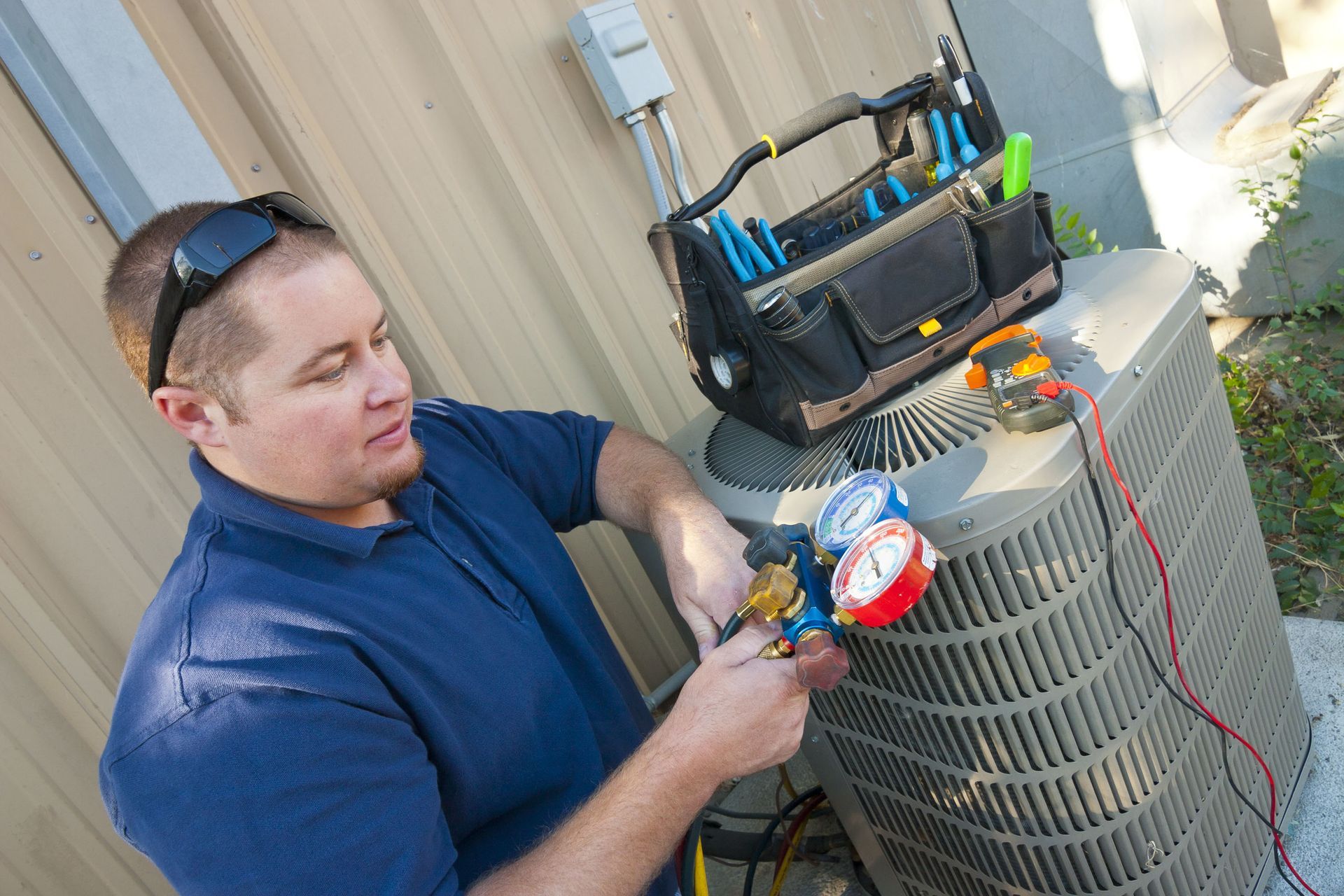
Preventive maintenance is one of the most important services. Regular filter replacements, coil cleaning, refrigerant checks, and inspections of electrical connections can help equipment operate efficiently. Addressing minor problems early may also prevent more expensive repairs and reduce the likelihood of unexpected downtime.
Equipment upgrades offer another opportunity for improvement. Older heating and cooling systems may use more energy than modern alternatives, particularly when components have deteriorated or equipment was improperly sized for the building. A commercial HVAC company can evaluate existing equipment and recommend upgrades based on expected performance improvements, installation costs, and long-term operating expenses.
Other services may include ductwork inspections, airflow balancing, thermostat upgrades, and the installation of variable-speed equipment. Each solution addresses different sources of energy waste, so recommendations should reflect the building’s specific needs rather than rely on a one-size-fits-all approach.
How Can an HVAC Audit Improve Energy Efficiency?
An HVAC audit provides a structured assessment of how a building’s heating and cooling systems perform. Instead of relying on assumptions about high energy bills, property managers can use an audit to identify specific problems and prioritize improvements.
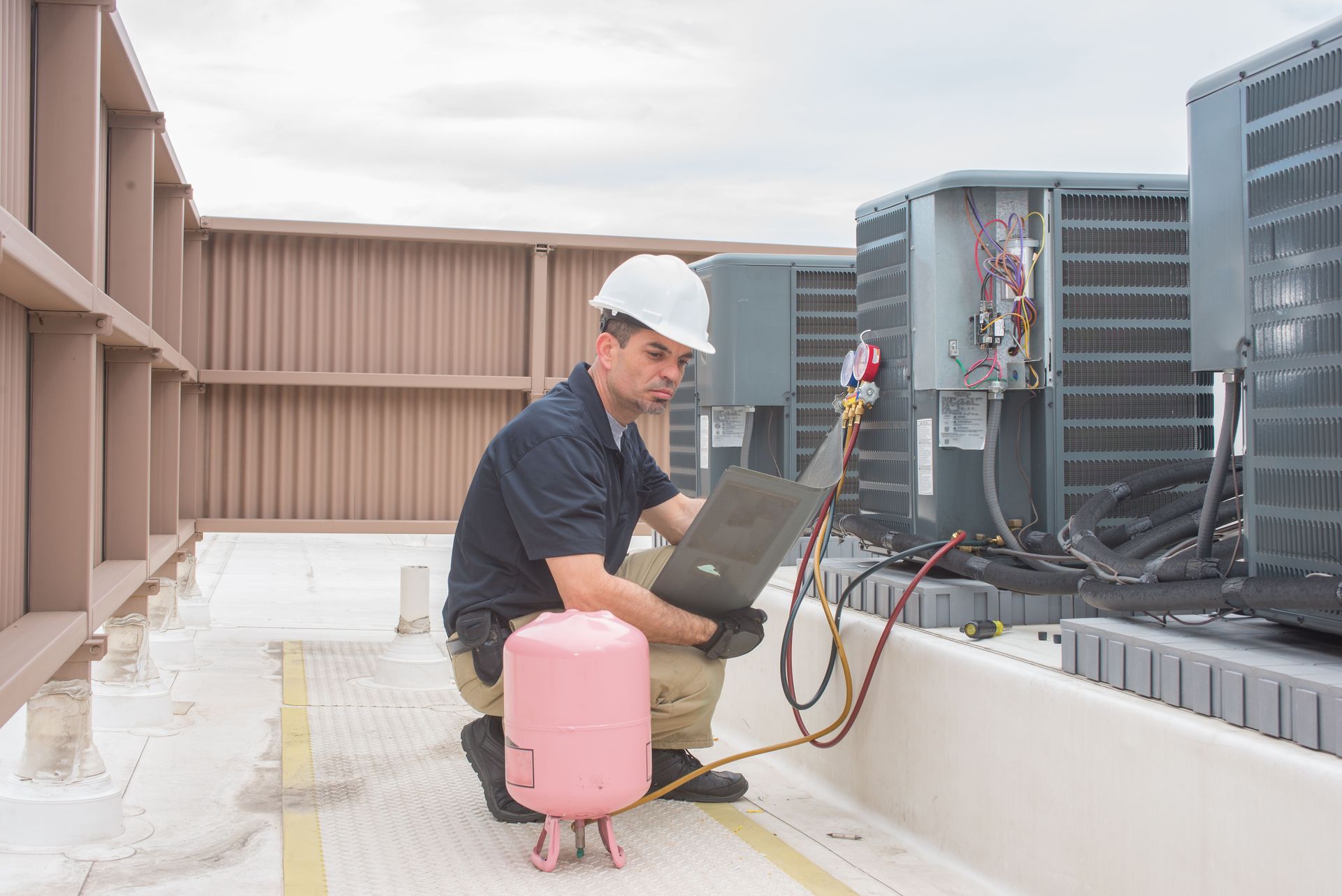
During an assessment, technicians may inspect equipment condition, evaluate thermostat settings, measure airflow, and review available energy consumption data. They may also examine operating schedules to determine whether systems are running when buildings are unoccupied.
For example, an office building might continue cooling empty conference rooms overnight. A warehouse may have poorly balanced airflow that leaves some areas uncomfortable while other spaces receive excessive conditioning. Correcting these problems can reduce wasted energy without compromising necessary indoor comfort.
A commercial HVAC company can use audit findings to develop a prioritized improvement plan. Recommendations might include repairing duct leaks, correcting control settings, replacing worn components, or upgrading inefficient equipment. Ranking these measures by estimated cost, energy savings, and implementation complexity helps property owners allocate budgets effectively.
Building managers should also consider establishing a performance baseline before making changes. Historical utility bills, equipment operating hours, and available system data can provide useful reference points. Comparing these figures with results after improvements helps determine whether the selected measures are delivering their intended benefits.
What Role Do Smart HVAC Technologies Play?
Smart HVAC technologies help commercial buildings manage heating and cooling more precisely. Rather than operating equipment according to fixed schedules or manual adjustments alone, these systems can respond to occupancy, indoor temperatures, outdoor conditions, and changing building demands.
Programmable thermostats and occupancy sensors are relatively accessible options. They can reduce unnecessary heating or cooling in spaces that are temporarily or routinely unoccupied. More advanced building automation systems can coordinate multiple HVAC components, monitor operating conditions, and provide alerts when equipment performs outside expected parameters.
Variable-frequency drives and variable-speed motors can also improve efficiency by adjusting equipment output to match actual demand. In suitable applications, reducing unnecessary fan or pump speed can consume considerably less energy than continuously operating at full capacity.
A commercial HVAC company can help determine which technologies are compatible with existing equipment and whether an upgrade is financially justified. Proper configuration is essential because sophisticated controls will not necessarily produce savings if sensors are inaccurate, schedules are poorly designed, or settings conflict with occupant needs.
Connected monitoring tools may also help facility managers recognize developing issues before they lead to substantial performance losses. However, smart technology works best alongside regular maintenance and knowledgeable oversight. Automation can support efficient operation, but it cannot replace the physical inspection and servicing that equipment requires.
How Can Proof of ROI Be Demonstrated?
Demonstrating the return on investment (ROI) of HVAC improvements helps building owners determine whether energy-efficiency projects justify their costs. A clear evaluation should account for installation expenses, projected utility savings, maintenance considerations, and the expected useful life of the improvements.
One common approach is to compare energy costs before and after an upgrade. However, a simple comparison may be misleading if weather conditions, occupancy levels, utility rates, or operating hours have changed. Normalizing energy consumption for these factors can provide a more meaningful assessment of performance.
For example, suppose an HVAC upgrade costs $20,000 and produces verified annual operating savings of $5,000. The simple payback period would be four years, calculated by dividing the initial investment by the annual savings. This estimate excludes financing, maintenance changes, incentives, and other financial considerations, but it provides a useful starting point.
A
commercial HVAC company can help establish realistic savings estimates, identify appropriate performance metrics, and monitor results after installation. Property managers should request clear documentation explaining the assumptions behind projected savings rather than relying on broad promises or best-case estimates.
Additional benefits may influence the investment decision. Improved comfort, fewer equipment disruptions, and reduced maintenance requirements can create operational value even when those benefits are difficult to express precisely in dollars.
Improving commercial building energy efficiency requires a practical combination of equipment maintenance, performance assessments, appropriate technology, and ongoing measurement. Because HVAC systems can represent a substantial portion of total building energy consumption, addressing inefficiencies in these systems can offer meaningful opportunities to control operating expenses and improve facility performance. If you need a roof, reach out to the dedicated team at Carter Comfort Systems today!