August 18, 2026
Maintaining a comfortable indoor climate throughout the changing seasons requires a dependable heating and cooling unit that receives consistent professional attention. Many homeowners take their indoor air comfort systems completely for granted until performance drops drastically or equipment stops working entirely during peak weather conditions. Understanding the ideal service frequency for residential heating and cooling equipment ensures consistent indoor comfort, better overall air quality, and lower utility expenses. Regular upkeep allows certified technicians to inspect electrical components, verify airflow, clean intricate coils, and adjust mechanical parts before minor operational wear turns into severe system trouble. By establishing a proactive care schedule, property owners protect their financial investment while enjoying reliable temperature control every day of the year.
Understanding Seasonal Service Recommendations
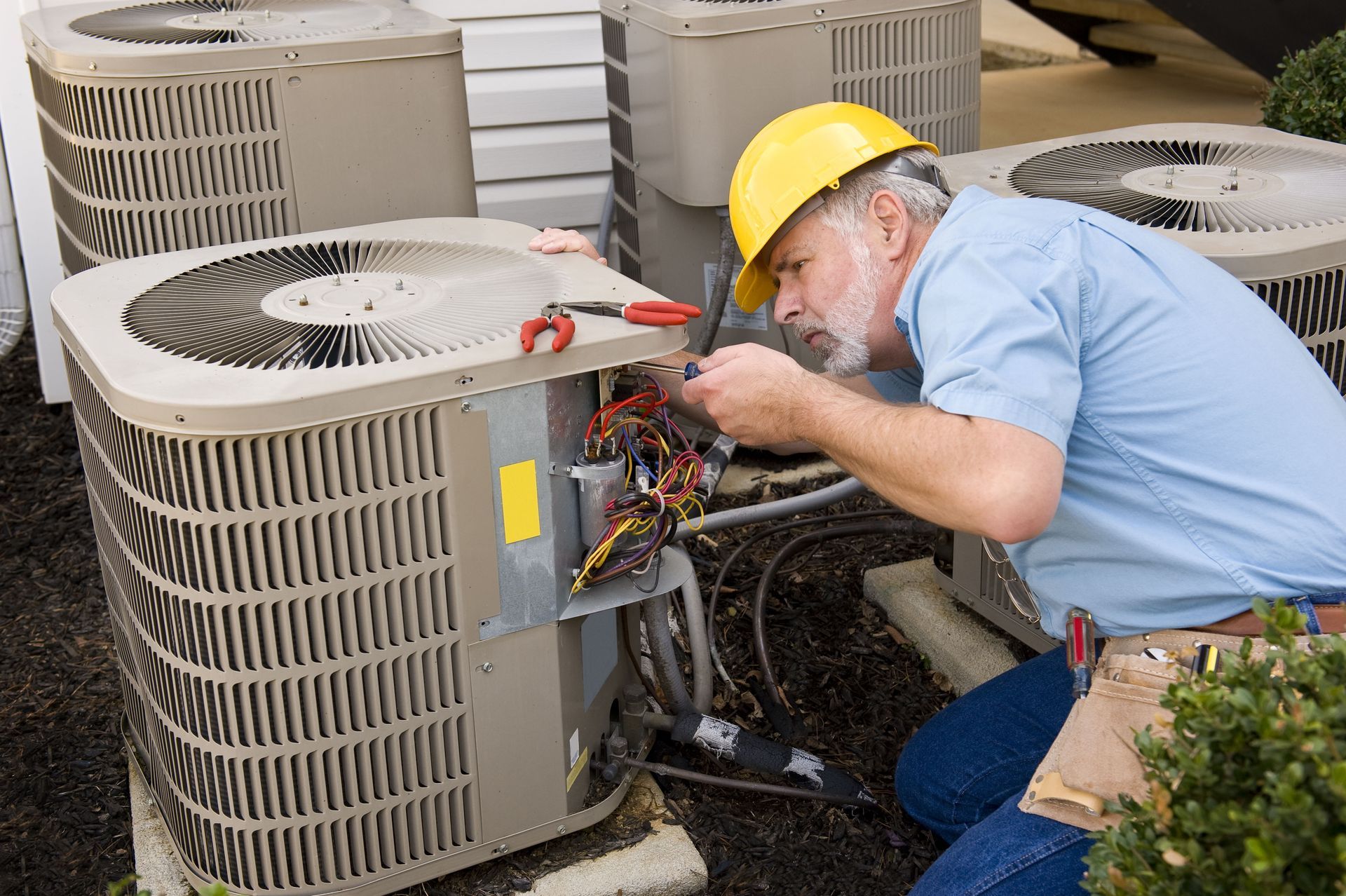
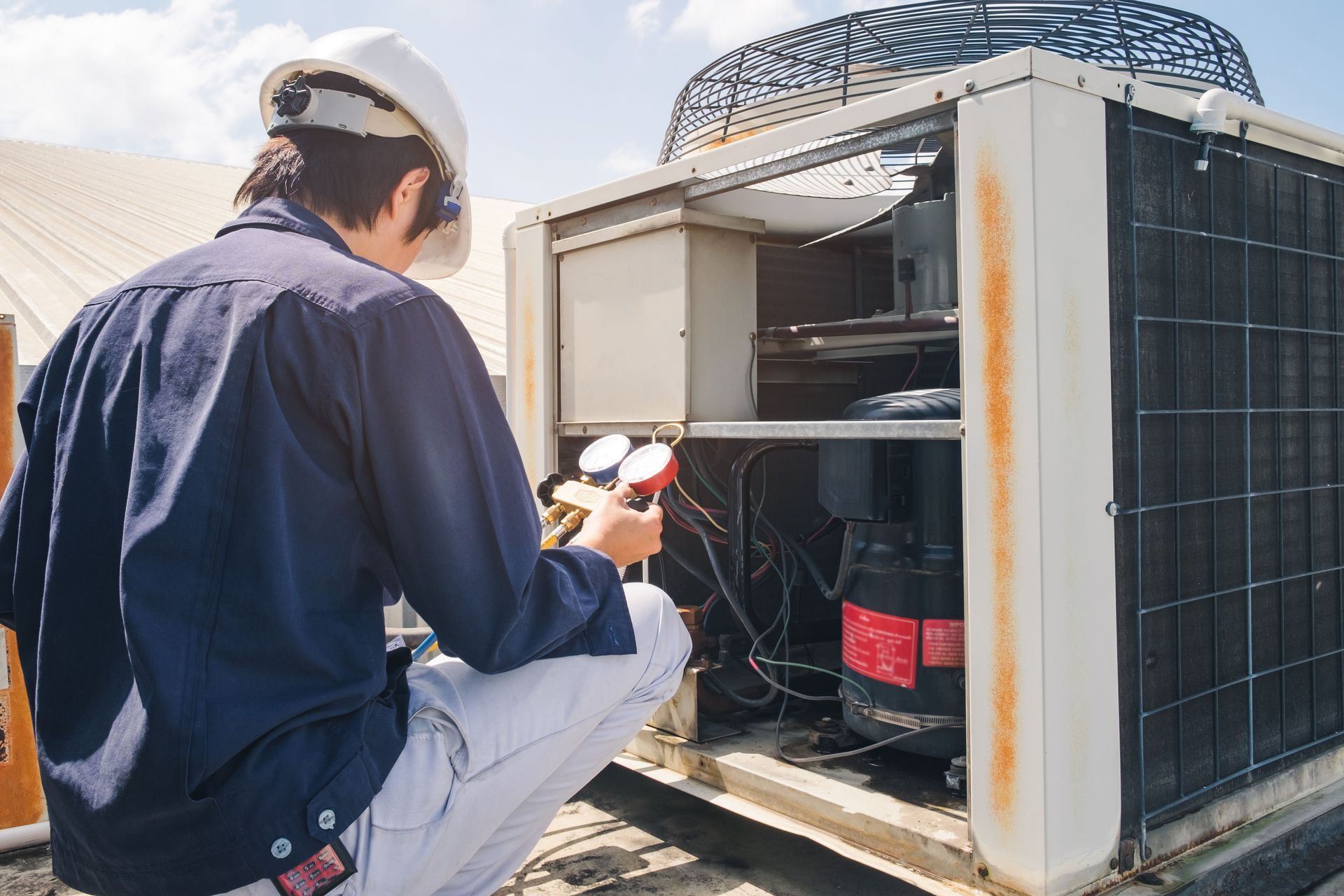
Heating and cooling equipment operates under significant stress during periods of extreme outdoor temperatures. Industry guidelines generally suggest scheduling professional service every spring for cooling equipment and every fall for heating systems. This dual seasonal approach guarantees that each major component undergoes a thorough evaluation right before peak operational usage begins. Spring inspections focus on cleaning condenser coils, checking refrigerant levels, testing electrical capacitors, and clearing condensate drain lines. Autumn tune-ups center on burner safety, heat exchanger integrity, ignition controls, and blower motor performance. Preparing equipment before heavy demand cycles reduces wear on internal mechanisms and helps homeowners avoid major HVAC repairs when the weather becomes extreme.
Skipping routine tune-ups leads to accumulated dust, restricted airflow, and declining operational efficiency over time. According to Industry Research, about 65% of HVAC systems require repair or servicing at least once per year. This statistic highlights how frequently heating and cooling units demand professional attention to maintain basic functionality throughout their service lives. Ignoring minor operational issues causes components to work much harder than designed, which accelerates wear and increases electricity consumption. Routine professional care restores baseline performance, extends equipment lifespan, and provides total peace of mind for households facing intense summer heat or winter cold.
Evaluating Major Environmental Factors
The specific location and surrounding climate of a home heavily influence how often equipment requires attention. Residences located in regions with severe humidity, scorching summer heat, or prolonged freezing winter periods put far more strain on mechanical systems than homes in mild climates. Extended operation during long cooling seasons causes biological growth inside drain pans and heavy dust accumulation on coils, leading to frequent HVAC repairs throughout the peak operating seasons. High pollen levels, dusty rural surroundings, or corrosive coastal salt air also accelerate component degradation, necessitating more frequent professional inspections to prevent premature system failure.
Indoor environmental conditions play an equally significant role in determining necessary maintenance intervals. Households with multiple pets, interior remodeling projects, or residents suffering from severe respiratory allergies create higher levels of airborne debris. Standard air filters clog rapidly under these demanding conditions, forcing circulating fans to pull air against extreme resistance. When airflow remains restricted for extended periods, internal system temperatures rise, electrical components overheat, and mechanical breakdown becomes far more likely. Tailoring service frequency to match both outdoor climate demands and indoor environmental conditions ensures optimal system longevity and clean indoor air.
Recognizing Essential System Warning Signs
While following a fixed seasonal schedule forms the backbone of good equipment care, homeowners must also watch for clear signs that immediate service is necessary. Unusual operational sounds, such as grinding gears, loud rattling, high-pitched squealing, or persistent clicking, indicate loose mechanical parts or motor failure that can lead to much larger HVAC repairs if left unattended. Foul odors emerging from supply vents, including stale musty smells or burning scents, also signal active microbial growth or electrical wiring trouble within ductwork. Promptly addressing these early warning signals prevents localized mechanical failures from cascading into catastrophic system damage.
Unexplained spikes in monthly utility bills without changes in daily household habits often point directly to declining equipment efficiency. Restricted airflow, low refrigerant charge, or dirty heat exchangers force equipment to run longer cycles to achieve target thermostat settings. Short cycling, where the system frequently turns on and off within brief intervals, also stresses sensitive electrical contacts and heavy compressor motors. Scheduling a comprehensive diagnostic inspection as soon as these symptoms appear restores proper operational balance while preventing unnecessary HVAC repairs during critical heating or cooling cycles.
Protecting Home Comfort and Energy Efficiency
Maintaining maximum operating efficiency represents one of the primary reasons to invest in regular professional tune-ups. Dust buildup on internal cooling coils and heating elements acts as an insulating barrier, preventing efficient heat transfer during both cooling and heating cycles. Technicians thoroughly clean these critical surfaces, recalibrate thermostats, inspect electrical connections, and lubricate moving parts during routine service visits. This thorough process allows the system to achieve desired indoor temperatures quickly using minimal electricity, which directly reduces overall utility costs for property owners throughout every season.
Consistent performance care also directly impacts indoor air quality and household comfort levels. Clean filters, sanitized condensate lines, and spotless internal blowers prevent mold spores, dust mites, pollen, and airborne allergens from circulating continuously through living spaces. Balanced airflow eliminates hot or cold spots in distant rooms, creating consistent temperature distribution throughout the entire house. By maintaining clean internal components, homeowners create a healthier indoor atmosphere while lowering the likelihood of sudden HVAC repairs when comfort is needed most.
Preventing Expensive Equipment Failure Risks
Major component replacements, such as compressors, heat exchangers, or fan motors, represent significant financial burdens for property owners. Regular professional maintenance identifies minor mechanical fatigue, loose electrical wiring, or small refrigerant leaks long before they cause major component destruction. Catching small operational flaws during routine seasonal inspections allows for simple adjustments, which drastically reduces the need for emergency HVAC repairs. This proactive management strategy extends total equipment operating life significantly, delaying the substantial capital expenditure required for complete system replacement.
Most major equipment manufacturers require documented proof of regular professional service to maintain active warranty coverage. If a primary component fails within the warranty period, manufacturers may deny warranty coverage if routine maintenance records are missing. Keeping consistent service records proves responsible care, ensuring that eligible component replacement costs remain covered under manufacturer warranties. Investing in routine service ultimately safeguards long-term financial assets while saving homeowners money on unexpected HVAC repairs over time.
Maximizing System Lifespan Expectations
Heating and cooling systems represent major capital investments for residential property owners that should ideally last for many years. Regular preventative care significantly reduces internal component friction, minimizes thermal strain on motors, and prevents dirt accumulation from choking vital airflow passages. Systems that undergo routine annual or bi-annual maintenance consistently outlast neglected units by several operating seasons. Protecting mechanical equipment through systematic professional care ensures that homeowners achieve maximum return on investment while enjoying consistent indoor comfort for as long as possible.
Extending equipment lifespan also contributes to overall sustainability and reduces long-term household replacement costs. Replacing an entire heating and cooling system prematurely due to neglect places unnecessary financial stress on homeowners and creates avoidable material waste. Routine maintenance keeps all internal mechanisms operating within factory specifications, which slows the rate of natural wear and tear. Prioritizing consistent equipment care creates a reliable home comfort environment while ensuring your residential system achieves its full functional potential.
Establishing a consistent maintenance routine for residential heating and cooling equipment protects financial investments, enhances daily indoor comfort, and maintains high energy efficiency throughout every season. Skipping routine tune-ups leaves homes vulnerable to unexpected equipment failure, rising energy bills, degraded indoor air quality, and voided warranty coverage. By partnering with experienced technicians for regular seasonal tune-ups, homeowners maintain total peace of mind knowing their equipment runs safely and efficiently. To keep your heating and cooling systems running reliably all year long, contact Carter Comfort Systems today.