April 30, 2026
Energy efficiency has become a central priority for businesses that want to reduce operational expenses, support sustainability goals, and maintain a comfortable indoor environment for employees and customers. Heating, ventilation, and air conditioning systems are among the most significant contributors to energy use in commercial buildings, which makes their performance especially important. When these systems are not properly designed, maintained, or optimized, they can lead to unnecessary energy waste and inconsistent indoor conditions.
Working with experienced commercial HVAC companies allows business owners and property managers to take a strategic approach to energy efficiency. These professionals understand how to evaluate system performance, identify inefficiencies, and implement solutions that improve both comfort and cost-effectiveness. Rather than reacting to problems as they arise, a proactive partnership with skilled HVAC specialists supports consistent performance and long-term operational stability.
Enhancing System Design and Planning
Energy efficiency begins long before an HVAC system is installed. Thoughtful design and planning play a critical role in ensuring that a system operates efficiently from the start. Commercial HVAC companies evaluate a wide range of factors, including building layout, insulation, occupancy patterns, and environmental conditions, to determine the most appropriate system for each space.
A key element of this process is accurate system sizing. When a system is too large, it may cycle on and off frequently, leading to wasted energy and uneven temperature control. When a system is too small, it may run continuously in an effort to meet demand, which can also result in inefficiency and increased wear on equipment. According to the Department of Energy, a general guideline suggests that cooling systems require about 20 BTUs of capacity per square foot of space, emphasizing the importance of precise calculations during the planning phase.
By focusing on proper system design, HVAC professionals ensure that energy is used effectively throughout the building. This results in balanced temperature control, improved airflow, and reduced strain on equipment, all of which contribute to long-term efficiency.
Optimizing Equipment Performance
Once a system is installed, maintaining optimal performance becomes essential for sustaining energy efficiency. Commercial HVAC companies focus on fine-tuning each component to ensure that the system operates smoothly and consistently. This includes calibrating thermostats, adjusting airflow settings, and verifying that all mechanical parts are functioning as intended.
Even small inefficiencies can lead to increased energy consumption over time. For example, if a thermostat is not properly calibrated, the system may run longer than necessary, consuming more energy than required. Similarly, components that are not properly aligned or maintained can force the system to work harder, reducing overall efficiency.
Through professional adjustments and performance evaluations, HVAC specialists help ensure that systems operate within their ideal range. This level of attention to detail allows businesses to maintain comfortable indoor conditions without unnecessary energy expenditure.
Improving Airflow and Distribution
Airflow is a critical factor in determining how efficiently an HVAC system operates. When airflow is restricted or uneven, it can lead to inconsistent temperatures, reduced comfort, and increased energy use. Commercial HVAC companies assess airflow patterns throughout the building to ensure that conditioned air is distributed effectively.
Ductwork plays a major role in this process. Leaks, blockages, or poorly designed duct systems can prevent air from reaching certain areas, forcing the system to compensate by working harder. This not only wastes energy but can also shorten the lifespan of the equipment.
By addressing these issues, HVAC professionals create a more balanced and efficient airflow system. Proper distribution ensures that all areas of the building receive adequate heating and cooling, reducing the need for excessive system operation and improving overall efficiency.
Implementing Advanced Controls and Automation
Modern technology has introduced new opportunities for improving HVAC efficiency through advanced controls and automation. Commercial HVAC companies often recommend and install systems that allow for more precise management of energy use.
Programmable thermostats and building management systems enable businesses to adjust temperature settings based on occupancy and usage patterns. For example, temperatures can be reduced in areas that are not in use, preventing unnecessary energy consumption. Automation also allows systems to respond dynamically to changes in environmental conditions, maintaining comfort while minimizing waste.
These technologies provide valuable data that can be used to monitor system performance and identify opportunities for improvement. With better visibility into how energy is being used, businesses can make informed decisions that support long-term efficiency.
Maintaining Regular System Inspections
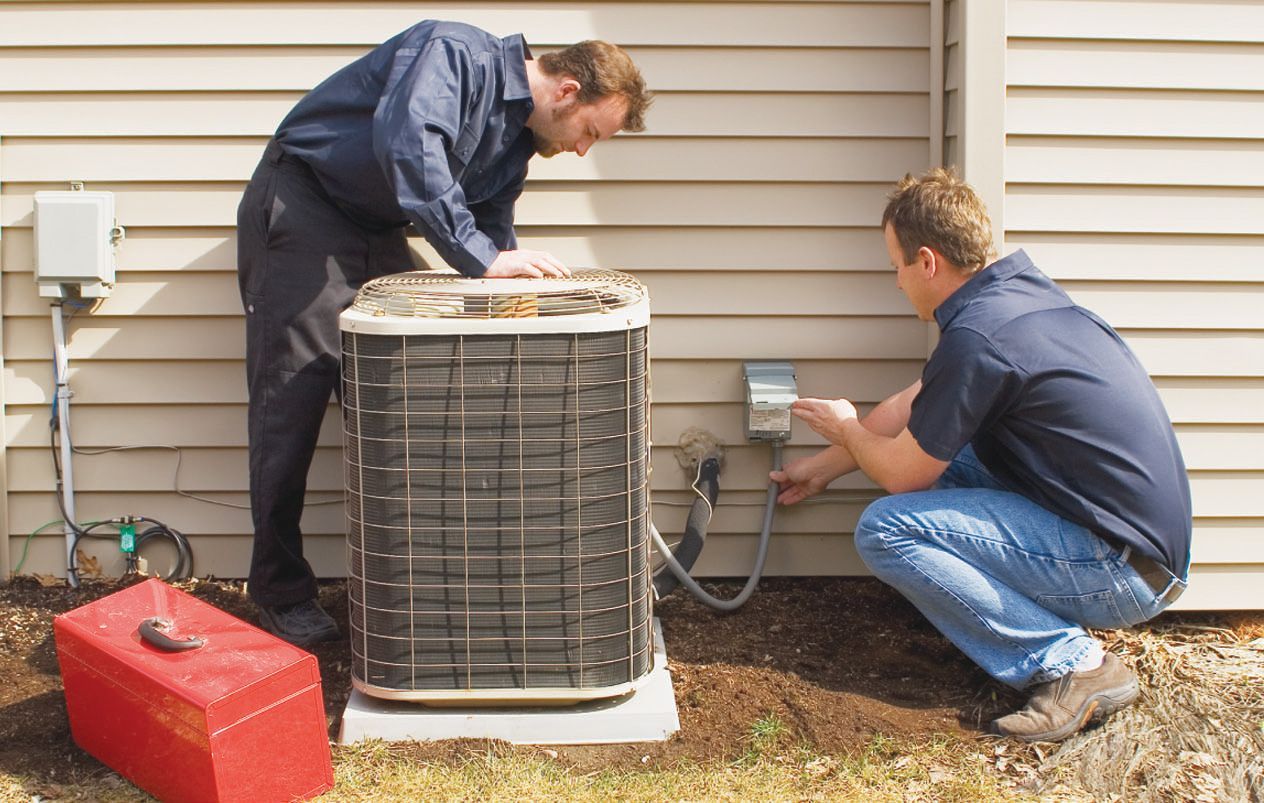
Routine inspections are essential for ensuring that HVAC systems continue to operate efficiently over time. Commercial HVAC companies provide comprehensive inspections that help identify potential issues before they develop into more significant problems.
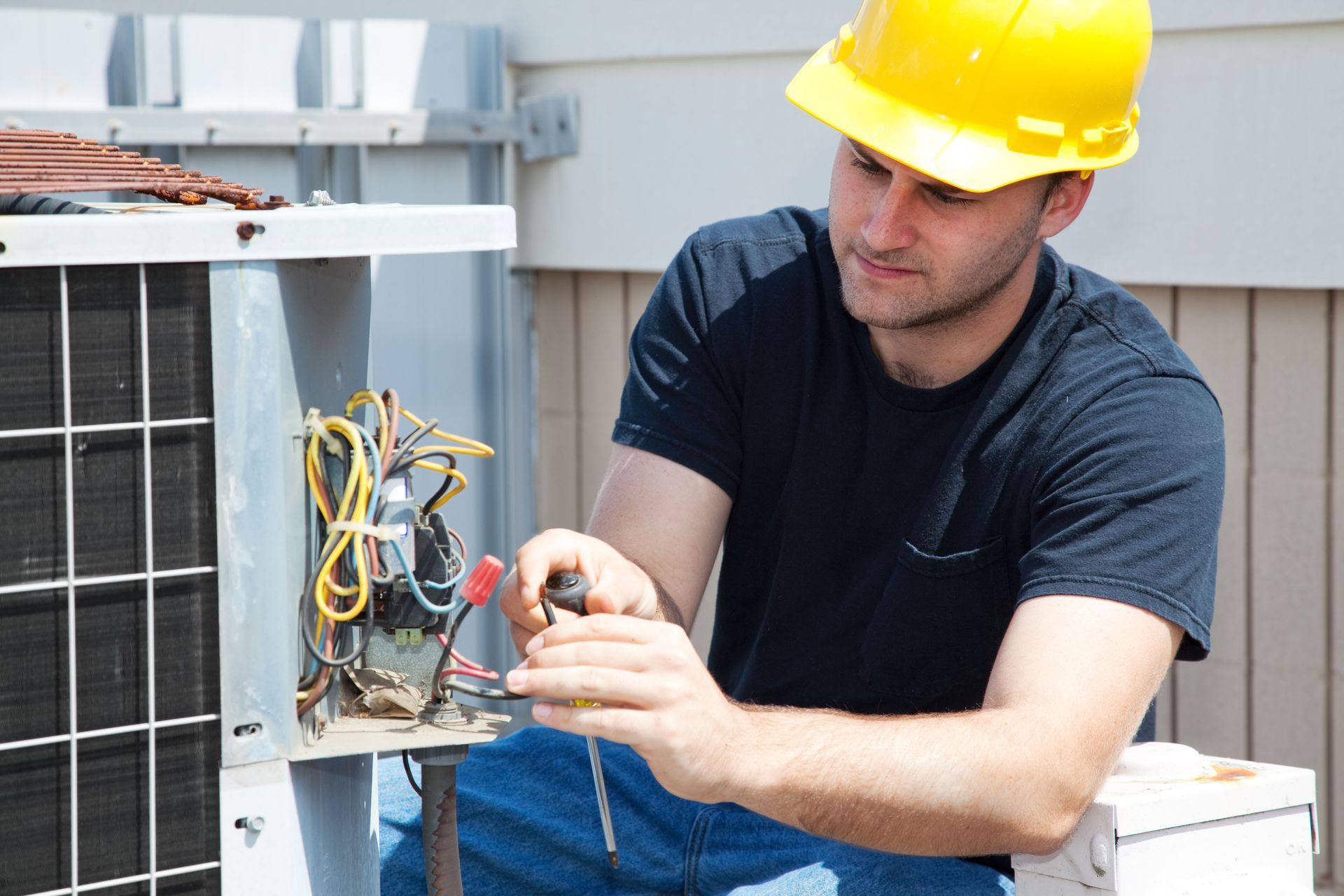
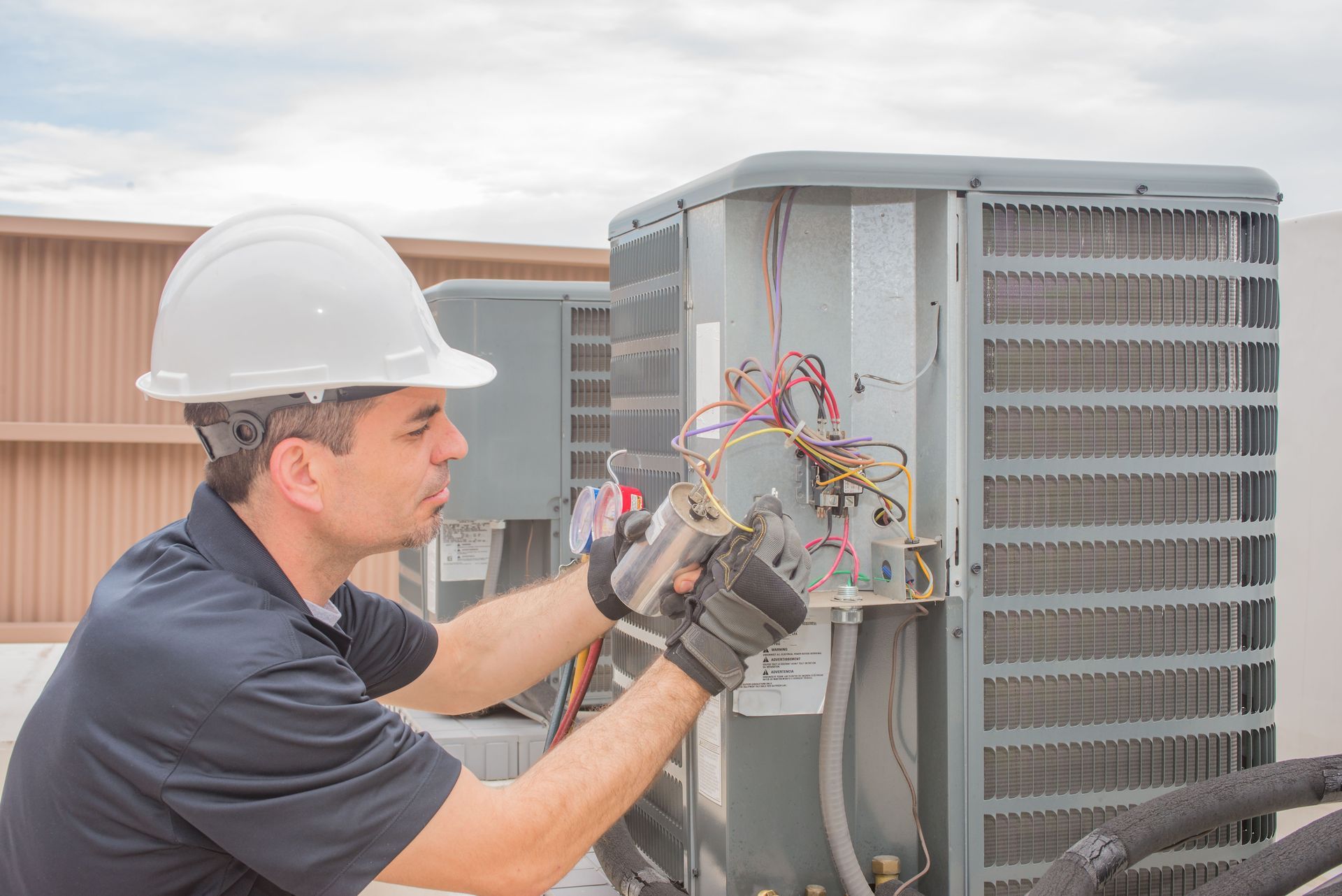
During an inspection, technicians evaluate key components such as filters, coils, electrical connections, and overall system functionality. Over time, these components can experience wear and tear that affects performance. For example, clogged filters can restrict airflow, while dirty coils can reduce the system’s ability to transfer heat effectively.
By addressing these issues early, businesses can prevent energy waste and maintain consistent performance. Regular inspections also contribute to system reliability, reducing the likelihood of unexpected disruptions that could impact operations.
Upgrading Systems and Components
As HVAC technology continues to evolve, newer systems and components offer improved efficiency and performance. Commercial HVAC companies help businesses identify opportunities to upgrade outdated equipment with modern solutions that are designed to use energy more effectively.
Upgrades may include high-efficiency units, improved ventilation systems, and enhanced control technologies. These advancements are often designed to operate more precisely, reducing energy consumption while maintaining consistent comfort levels.
Replacing older equipment can have a significant impact on overall efficiency. In addition to reducing energy use, modern systems often include features that allow for better monitoring and control, making it easier to maintain optimal performance over time.
Supporting Long-Term Energy Strategies
Achieving and maintaining energy efficiency requires a long-term perspective. Commercial HVAC companies work with businesses to develop strategies that support ongoing performance improvements and sustainable operations. This involves more than just installing equipment or performing maintenance; it requires a comprehensive approach to energy management.
Long-term strategies may include regular performance evaluations, system upgrades, and adjustments based on changing building needs. As businesses grow or modify their spaces, HVAC systems must adapt to continue operating efficiently.
Professional guidance ensures that these changes are managed effectively. By taking a proactive approach, businesses can avoid inefficiencies and maintain a consistent level of performance over time. This not only supports energy savings but also contributes to a more comfortable and productive environment.
Improving energy efficiency in commercial buildings is a continuous process that requires expertise, planning, and attention to detail. HVAC systems are complex and essential to daily operations, making their performance a key factor in overall energy use. By working with experienced professionals, businesses can ensure that their systems are designed, maintained, and optimized for maximum efficiency.
From system design and performance optimization to ongoing maintenance and strategic planning, commercial HVAC companies provide the support needed to reduce energy consumption while maintaining comfort. Their role extends beyond addressing immediate concerns, offering solutions that promote long-term efficiency and reliability.
At Carter Comfort Systems, we take pride in helping businesses improve their energy efficiency through reliable HVAC solutions. We work closely with you to design, maintain, and optimize systems that support comfort, performance, and long-term savings. Our team is committed to delivering solutions tailored to your space, helping you create a more efficient and comfortable commercial environment.