July 14, 2026
Maintaining indoor comfort and air quality relies heavily on the consistent operation of home cooling systems. Ensuring that these systems run efficiently requires attention, foresight, and professional expertise. Many homeowners overlook the necessity of routine maintenance, viewing it as an optional task rather than an essential investment. However, neglecting system checks can lead to decreased efficiency, unexpected performance failures, and heightened energy expenses. Engaging in regular AC repair serves as a proactive strategy to stabilize indoor temperatures while protecting a significant financial asset. It transitions home care from a reactive scramble during a crisis into a predictable, manageable routine.
Understanding the underlying advantages of consistent system upkeep allows homeowners to make informed decisions regarding their indoor environments. Beyond the simple convenience of a cool room, proper operational care impacts air filtration, monthly utility demands, and overall household safety. Throughout the lifespan of a cooling unit, small mechanical adjustments prevent the cascading failures that typically result in total system shutdowns. By prioritizing timely interventions, property owners secure a reliable comfort system that performs optimally even during periods of extreme summer weather. This approach establishes a foundation for long-term operational success, keeping homes comfortable and budgets intact year after year.
Enhancing Energy Efficiency
Optimizing the performance of a cooling unit directly impacts household energy consumption. When internal components become clogged with dust or suffer from mechanical wear, the system must work significantly harder to reach the desired temperature. Routine intervention addresses these hidden strains by clearing obstructions, calibrating thermostats, and verifying that every part operates in harmony. As a result, the unit requires far less electrical power to move air and extract heat from the home. This reduction in energy demand manifests as a noticeable drop in monthly utility costs, providing immediate financial relief during peak cooling seasons.
Beyond immediate monetary savings, efficient energy use plays a vital role in reducing the overall environmental footprint of a household. When a cooling system operates at peak performance, it draws fewer resources from the local power grid, indirectly lowering greenhouse gas emissions from electricity production. Furthermore, precise calibration ensures that the unit cycles appropriately rather than running continuously, which minimizes unnecessary wear on internal electronics. This balanced cycle management stabilizes power usage across the entire home, ensuring that resource consumption remains aligned with actual cooling needs rather than being wasted on overcoming mechanical resistance.
Prolonging System Lifespan
Extending the functional years of a cooling unit requires consistent structural oversight and timely component replacements. Every mechanical system experiences degradation over time, but regular AC repair interrupts this natural decline by addressing minor faults before they compromise the entire machine. Small issues, such as a fraying belt or a loosening electrical connection, can place undue pressure on the compressor if left uncorrected. By isolating and correcting these minor discrepancies early, the internal architecture remains protected against catastrophic failure. This persistent care ensures that the system reaches or even exceeds its projected operational life.
Adhering to a structured service schedule also ensures compliance with manufacturer guidelines, which frequently mandate professional oversight to keep equipment warranties intact. Through scheduled maintenance, potential issues are addressed beforehand, reducing the likelihood of surprise breakdowns. AC systems account for about 54% of HVAC repair service calls, according to Industry Research, signifying the demand for emergency repairs and the associated costs. Preventive care circumvents the need for immediate attention, which often comes with a premium service charge. This careful preservation of the machinery shields homeowners from the heavy financial burden of premature system replacement.
Improving Indoor Air Quality
Managing the quality of the air circulating throughout a home is directly tied to the cleanliness of its cooling infrastructure. Over months of operation, internal chambers, coils, and duct connections gather microscopic debris, pollen, and pet dander. If these elements are neglected, the system acts as a distribution network for airborne irritants, constantly recycling pollutants into living spaces. Targeted cleaning and regular AC repair eradicate these accumulations, ensuring that the air passing through the unit is thoroughly filtered. This creates a cleaner, safer breathing environment, which is particularly beneficial for individuals dealing with respiratory sensitivities or seasonal allergies.
Moisture management represents another critical aspect of air quality control that relies on functional cooling components. Air conditioning units naturally collect humidity from the indoor air during the cooling cycle, directing the condensation out of the property through a specialized drainage network. If these drain lines become blocked or if the evaporator coils malfunction, standing water can accumulate inside the dark compartments of the machine. This damp environment becomes a breeding ground for biological growth, which introduces musty odors and airborne contaminants into the home. Professional maintenance keeps these pathways clear, maintaining proper humidity balance and halting unwanted growth before it impacts the household.
Increasing Comfort Levels
Achieving a perfectly balanced indoor climate involves more than simply lowering the temperature on a thermostat. System consistency determines whether a home feels truly comfortable or suffers from unpredictable temperature swings and uneven airflow. When a cooling system receives periodic professional attention, its distribution mechanisms are calibrated to deliver airflow evenly across every room. This precise regulation eliminates annoying hot and cold spots that often plague neglected properties, ensuring that the entire living space remains usable and pleasant regardless of external weather conditions.
In addition to stabilizing temperatures, professional adjustments contribute to a much quieter home environment. Loose components, worn motor bearings, and unlubricated fans generate significant operational noise that can disrupt daily life and sleep cycles. Through routine adjustments and targeted regular AC repair, technicians secure loose parts and lubricate moving mechanisms, reducing ambient noise dramatically. Furthermore, a well-tuned system responds much faster to thermostat changes, reaching the target temperature rapidly without straining. This immediate responsiveness allows residents to customize their indoor climate effortlessly, enjoying a peaceful and reliable home sanctuary.
Avoiding Hazardous Conditions
Securing the safety of a household requires a thorough inspection of the electrical and chemical systems hidden inside cooling equipment. Air conditioners rely on high-voltage electrical connections, capacitors, and complex wiring webs to power their heavy compressors and fan motors. Over time, seasonal temperature fluctuations and operational vibrations can loosen these connections or cause insulation to fray. Unchecked electrical degradation increases the risk of short circuits or localized overheating, creating potential fire hazards within the walls or attic spaces. Periodic professional evaluations identify these vulnerabilities early, securing connections and replacing worn wires to maintain complete operational safety.
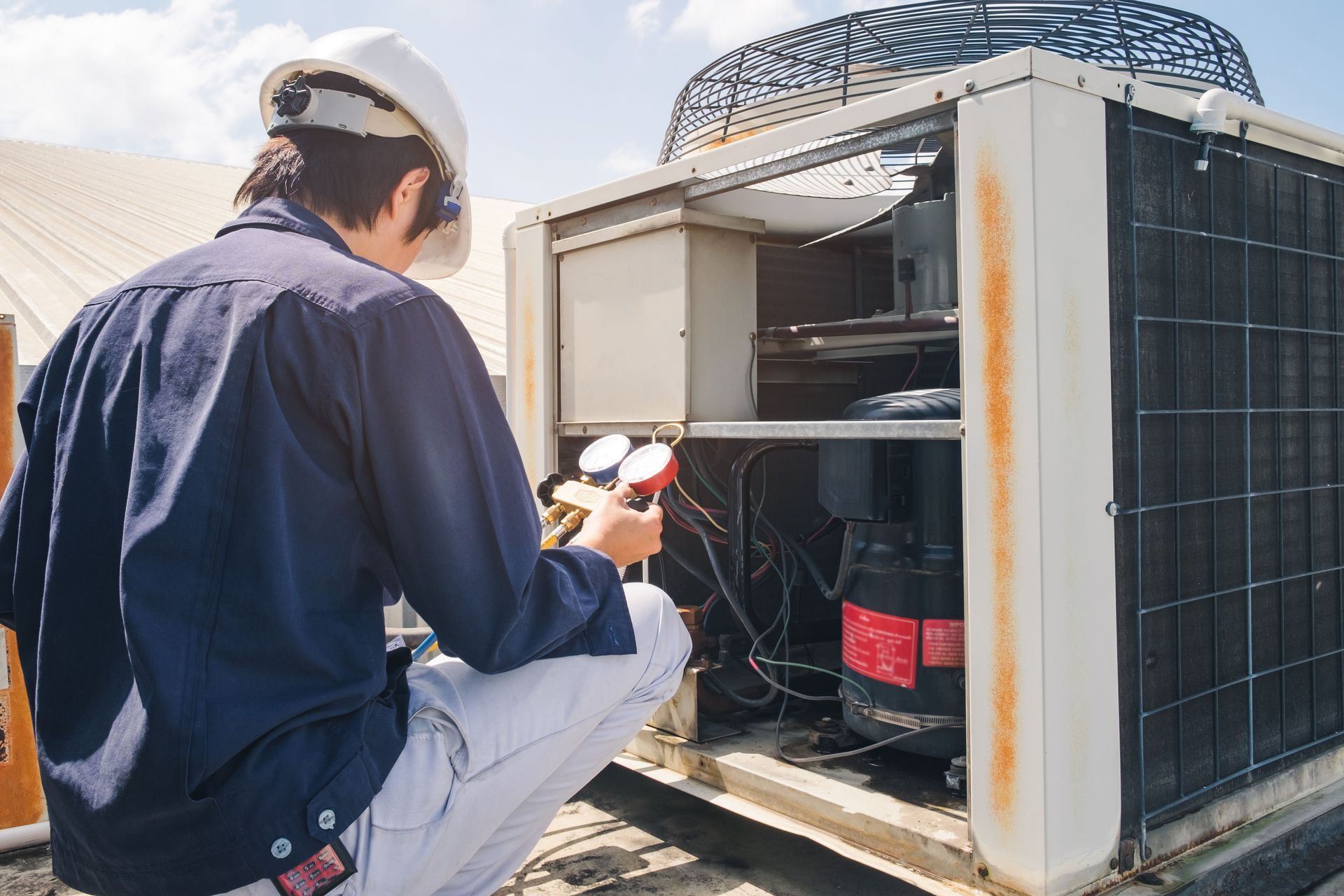
System oversight also includes monitoring the chemical elements necessary for the refrigeration cycle. Refrigerant leaks not only diminish the cooling capability of the unit but also introduce chemical risks and environmental concerns if left unaddressed. Technicians utilize specialized tools to check pressure levels and verify the physical integrity of the lines, ensuring that these substances remain entirely contained. Additionally, for systems integrated with heating elements or located near gas appliances, comprehensive inspections verify that venting pathways remain unobstructed. This vigilant approach protects the household from dangerous exhaust backups, providing absolute peace of mind regarding the structural and mechanical safety of the home.
Investing in regular
AC repair is a foundational aspect of responsible home ownership that yields substantial returns in comfort, safety, and financial savings. By transitioning from a strategy of reactive emergency fixes to one of proactive upkeep, you safeguard your indoor climate against the hottest days of the year. Consistent professional attention keeps energy bills manageable, ensures clean indoor air, and prevents the mechanical strain that leads to premature equipment replacement. Prioritizing these services ensures that your home remains a reliable refuge of comfort and health for your family. Contact Carter Comfort Systems today to schedule your comprehensive system evaluation and keep your cooling equipment running flawlessly.